

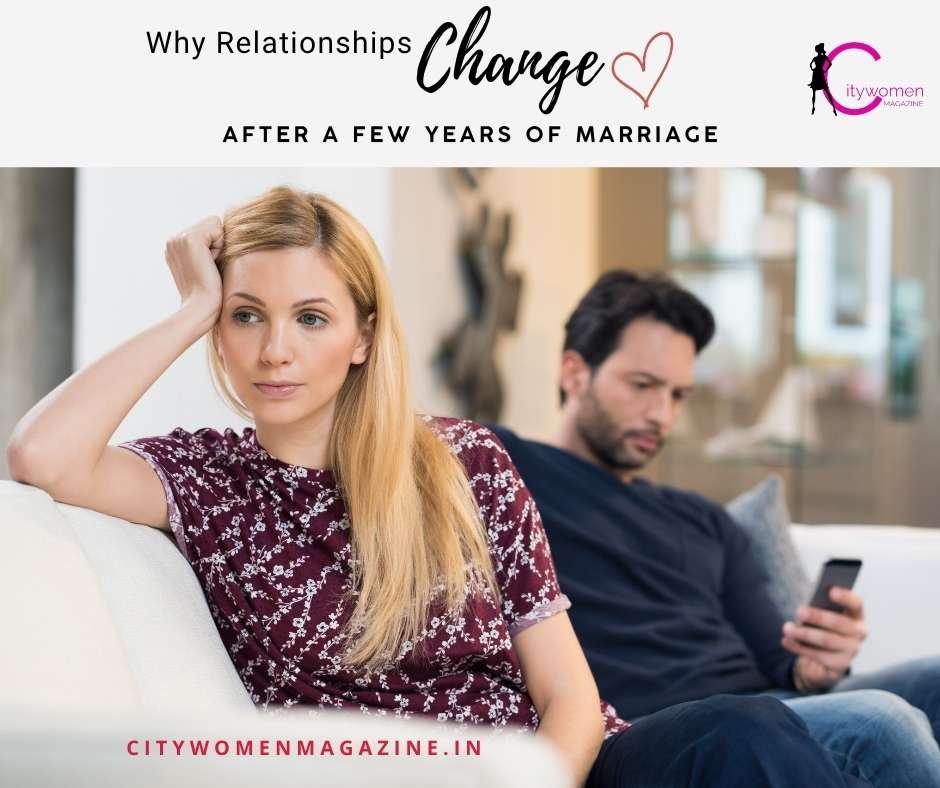
Every love story begins with butterflies—the excitement of discovery, the thrill of connection, and the promise of forever. But as years pass, the rhythm of marriage changes. The spark doesn’t disappear; it simply transforms.
Many couples wonder why their relationship feels different after a few years of marriage. The truth is, change is natural. It’s not a sign of failure—it’s a sign of growth. Understanding these shifts can help couples navigate them with empathy and awareness.
Here’s why relationships evolve over time—and how to keep love alive through every phase.
1. The Honeymoon Phase Fades, Reality Sets In
The early years of marriage are filled with romance and novelty. But as daily routines take over, the excitement of “new love” gives way to familiarity.
Why It Happens:
- The brain’s dopamine levels stabilize after the initial infatuation period.
- Couples begin to see each other’s flaws more clearly.
- Responsibilities—work, finances, family—take center stage.
How to Adapt:
- Keep dating each other.
- Plan small surprises or weekend getaways.
- Focus on emotional connection, not just romance.
2. Communication Patterns Shift
In the beginning, couples talk endlessly. Over time, conversations may become more practical—about bills, chores, or children.
Why It Happens:
- Life gets busier, leaving less time for deep talks.
- Couples assume they already “know” each other.
How to Adapt:
- Schedule time for meaningful conversations.
- Listen actively without judgment.
- Express appreciation daily—it keeps emotional intimacy alive.
3. Individual Growth Creates New Dynamics
People evolve. Career changes, personal goals, and shifting priorities can alter how partners relate to each other.
Why It Happens:
- Each partner continues to grow and change.
- Differences in pace or direction can create distance.
How to Adapt:
- Support each other’s growth instead of resisting it.
- Celebrate individuality within the relationship.
- Revisit shared goals regularly.
4. Emotional Intimacy Deepens (If Nurtured)
While passion may mellow, emotional intimacy can grow stronger. Couples who communicate openly and show vulnerability often find deeper connection over time.
Why It Happens:
- Trust builds through shared experiences.
- Emotional safety replaces early-stage excitement.
How to Adapt:
- Be open about fears, dreams, and insecurities.
- Practice empathy and forgiveness.
- Remember that emotional closeness is the foundation of lasting love.
5. External Pressures Take a Toll
Work stress, parenting, financial strain, or caring for aging parents can test even the strongest marriages.
Why It Happens:
- Life’s responsibilities increase with time.
- Couples may prioritize tasks over togetherness.
How to Adapt:
- Face challenges as a team, not opponents.
- Divide responsibilities fairly.
- Make time for rest and shared joy.
6. Physical Intimacy Evolves
Physical connection often changes after years of marriage—not necessarily for the worse, but differently.
Why It Happens:
- Hormonal changes, stress, and routine affect desire.
- Emotional connection becomes more important than physical novelty.
How to Adapt:
- Communicate openly about needs and expectations.
- Prioritize affection—small gestures matter.
- Keep intimacy alive through touch, laughter, and shared experiences.
7. Love Matures Into Partnership
The most beautiful transformation in marriage is when love evolves into deep companionship. It’s less about fireworks and more about foundation.
Why It Happens:
- Shared history builds unshakable trust.
- Couples learn to love each other beyond perfection.
How to Adapt:
- Focus on gratitude and shared memories.
- Keep growing together—emotionally, spiritually, and mentally.
- Remember: mature love is quieter but infinitely stronger.
Relationships change after a few years of marriage because people change—and that’s okay. The key is to evolve together, not apart. When couples embrace growth, communicate with compassion, and nurture intimacy, love doesn’t fade—it deepens.
Marriage isn’t about staying the same; it’s about becoming better together, one season at a time.
