






Why Aishwarya Rai Bachchan Is Trending on Google in India in 2026
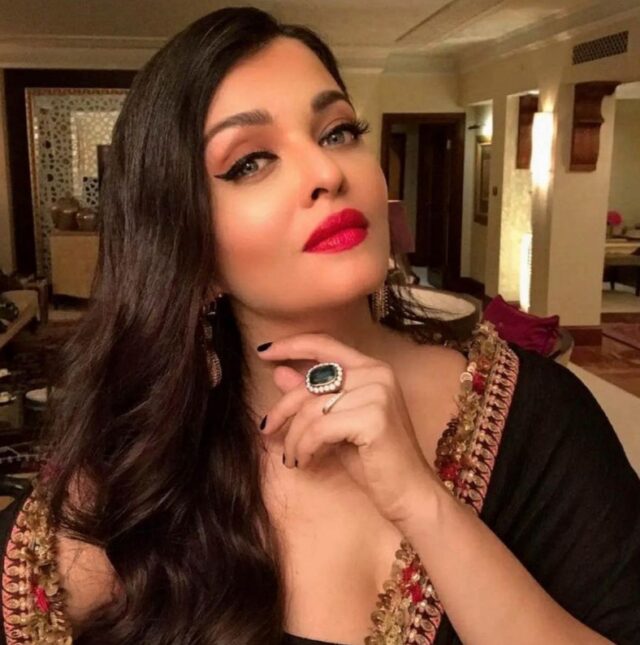
Aishwarya Rai Bachchan
Photo : Aishwarya Rai Bachchan/ instagram/Sabyasachi
Aishwarya Rai Bachchan is one of the most iconic and recognizable names in Indian entertainment. Even years after her last major Hindi film appearance, she remains a constant presence in headlines — and this year, in 2026, she is trending on Google search in India for multiple compelling reasons. Fans, critics and the general public are searching her name not just for old films or her beauty, but because she now stands at the intersection of celebrity influence, digital identity issues, fashion moments, and personal life reflections. Let’s explore why Aishwarya Rai Bachchan is once again capturing the nation’s attention. Aishwarya’s Legal Battle for Personality Rights
One of the biggest reasons Aishwarya Rai Bachchan is trending online is her legal action to protect her personality and publicity rights. In late 2025, she filed a petition in the Delhi High Court seeking protection against the unauthorized use of her name, image, and AI-generated content circulating on the internet. This includes fake website endorsements, social media accounts claiming to be official, and even AI-generated imagery being used without consent — sometimes shaded into inappropriate or misleading territory. Her petition asks the court to issue orders to stop these exploitations and hold online platforms and individuals accountable. This legal move has resonated widely in the media because it reflects broader concerns about celebrity identity protection in the age of artificial intelligence and deepfake technology — an issue that many Indians are noticing for the first time. Search interest surged as people looked up what personality rights mean and why Aishwarya is taking this step. Digital Identity: Fake Accounts and Family Clarifications
Another major search trend related to Aishwarya is about her family — especially her daughter  Aaradhya’s social media presence. Fans have often wondered if Aaradhya herself runs official accounts, but Aishwarya recently clarified that none of the Instagram or social media pages claiming to be Aaradhya’s are actually hers. This clarification sparked a new wave of online interest as people searched to distinguish between official celebrity content and fan-made or misleading profiles. Her message urged users to be mindful in a digital world where identities are easily misrepresented, pushing many to Google her name to find genuine information. It highlights how the digital presence of celebrities’ families — even when they’re not themselves active online — can become a significant part of public interest and search trends. Fashion Moments That Go Viral
Aishwarya Rai Bachchan has always been admired for her beauty and fashion sense. Years after dominating the red carpet at international events, she still makes fashion headlines when she makes public appearances. One such moment was her show-stopping appearance at Paris Fashion Week, where she walked the runway wearing a meticulously crafted outfit adorned with diamonds and emeralds, capturing the attention of both fashion critics and fans online. Search interest spiked when photos and videos from this event circulated across social media and entertainment portals, reminding both Indian and global audiences that her influence on fashion remains strong — and that she still turns heads even when she isn’t promoting a film. Responding to Street Harassment and Social Issues
Aishwarya’s public voice on social issues also keeps her in the spotlight. She has used her platform to speak out against street harassment, emphasizing that individuals should not be blamed for how they choose to dress or present themselves. While this isn’t directly related to search trends, it reflects the evolving public image of Aishwarya Rai — from a superstar actress to a figure who engages in meaningful social conversations. Searches around her name often rise whenever she comments on broader issues that resonate with everyday people. Personal Life and Relatable Moments
In early February 2026, Aishwarya Rai Bachchan trended again — this time for something much more personal and heartwarming. She shared a touching birthday message for her husband, Abhishek Bachchan, featuring a childhood photo and heartfelt wishes that fans loved. Posts like these remind people that beyond the glamour, celebrities have real relationships and emotional moments that fans want to celebrate along with them. Such personal stories often prompt fans and the media to search for more context around her life, leading to spikes in Google trends. The Broader Topic: AI, Deepfakes and Celebrity Rights
What makes Aishwarya’s case particularly interesting — and one of the biggest reasons she’s trending — is how it connects to the larger conversation about AI and privacy. In recent years, artificial intelligence and deepfake technology have made it easier than ever to create images and videos that look realistic but are fabricated. Celebrities like Aishwarya Rai Bachchan and her husband Abhishek Bachchan have taken legal action to stop such misuse of their identities, pushing courts and platforms like YouTube and Google to intervene. This theme resonates beyond just celebrity gossip; it touches on digital ethics, online safety, and legal rights — topics many internet users are curious about, especially as AI continues to grow in everyday life. Why This Matters: The Rise of Personality Rights in India
Aishwarya’s trend is more than just a celebrity headline — it reflects new dynamics in how public figures manage their identity online. Unlike traditional copyright issues, personality rights deal with how a person’s name, image, and likeness are used — especially when that use misleads the public or profits off someone without consent. While many countries have explicit laws, India’s legal framework is still evolving. Aishwarya’s legal action has brought this conversation into the public eye, prompting searches for what personality rights are, why they matter, and how India is handling them. Here are a few key takeaways from the buzz around Aishwarya Rai Bachchan in 2026:
  1. Celebrities’ digital footprints matter more than ever
  2. Fans don’t just want film news — they want authenticity, clarity, and responsible storytelling.
  3. Online identity protection is now mainstream news
  4. AI-generated content and fake profiles aren’t just technical issues — they affect reputation, privacy, and trust.
  5. Fashion still moves search trends
  6. A single public appearance can drive significant online interest, showing how aesthetics and visuals shape digital conversation.
  7. Personal stories have emotional resonance
  8. Moments like family celebrations remind audiences of the human side behind the celebrity persona.

Aishwarya Rai Bachchan’s continued relevance on Google in India in 2026 shows how celebrity influence has expanded beyond films and public appearances. Her position at the heart of legal, digital, ethical, and cultural conversations reflects an era where identity, authenticity, and online presence converge to create powerful search trends. Whether it’s her fight against AI misuse, her voice in social issues, or a heartfelt moment shared for her loved ones, Aishwarya remains a figure who captures attention, curiosity, and respect across generations.

Seal It With Love by Archana Aggarwal

Archana Aggarwal Timeless Jewellery
Photo courtesy: Kajol Vohra

This Valentine’s season, honour her story with heirlooms for the heart, crafted in 18k gold and celestial gems.

In celebration of love’s most cherished gestures, Archana Aggarwal Timeless Jewellery unveils its latest collection, Seal It with Love. More than jewellery, these are tokens of profound affection, designed to gift her a dream and honour her unique grace. The collection masterfully bonds the grandeur of signature heirlooms with the intimate poetry of everyday luxury, each piece a permanent seal on a moment, a feeling, and a promise.

Crafted in luminous 18k gold and set with the fire of natural diamonds and the captivating hues of rare gemstones, the collection is a narrative of devotion. It offers the perfect language for love, from the declarative to the tender whisper.

“True love deserves a signature,” says Archana Aggarwal. “With Seal It with Love, we crafted a collection that is both a tribute and a treasure. It’s for the one who embodies grace, the dream you wish to honour, and the bond you choose to make eternal. This is the art of sealing a feeling in gold and gemstone.”

The collection takes centre stage with the Diamond Collection Bracelets, where the twilight mystery of the Celeste Blue Bracelet meets the intricate romance and the noble lines of the Eternal Royale Bracelet. For the hand, a gallery of meaning awaits: the bold declaration of the Carnage Carat Ring, the timeless continuum of the Eternal Band Ring, the intertwined destiny of the Eternal Triology Ring, and the deep violet dream of the Starlit Tanzanite Ring.

Ear adornments frame her radiance, from the festive sparkle of Gala Glow Earrings and the modern sculpture of the Lumina Arc Ear Cuff, to the refined Gleaming Chic Earrings. Close to the heart, personalisation becomes precious with the Love Language Pendants, where an initial becomes an heirloom, complemented by the sparkle of the Imperial Gleam Pendant. Delicate chains, like the Stardust Link adorned with Pink Sapphire, trace the contours of the hand with poetic intention.

The neckline is graced with pieces that tell a story: the layered conversation of the Luxe Strings Necklace, the dramatic elegance of Moonfall Elegance Necklace, and the infinite flow of The Continuum Necklace.

The final word in love’s language, crafted by Archana Aggarwal Timeless Jewellery.

Instagram: archanaaggarwalofficial

Website: www.archanaaggarwal.com

Flagship Showroom: Archana Aggarwal Timeless Jewellery, Ambawatta One, Kalka Das Marg, Mehrauli, New Delhi 110030

How Art Boosts Kids’ Brain Development, Emotions, and Happiness

Discover how drawing, music, and creative play improve children’s brain chemistry, emotional growth, and happiness at every stage of development.
How Art Boosts Kids’ Brain Development, Emotions, and Happiness

When children paint, dance, sing, or build something with their hands, it may look like simple play. But inside their brains, something extraordinary is happening. Art is not just creative expression — it actively supports brain development, emotional balance, and long-term happiness.

What Happens in a Child’s Brain During Art?

Whenever a child engages in creative activities, the brain releases important chemicals that support both learning and emotional wellbeing. Dopamine, often called the “reward chemical,” increases when children create something they enjoy. This helps improve motivation, focus, and the desire to keep learning. At the same time, serotonin levels rise, which supports mood stability and helps children feel calm and emotionally balanced.

Creative activities also trigger endorphins, the body’s natural stress relievers. These chemicals reduce anxiety and create a sense of joy and relaxation. When art is done in groups — such as music classes, dance groups, or collaborative projects — the brain may release oxytocin, a bonding hormone that helps children feel connected, safe, and socially confident. Together, these chemical reactions strengthen neural pathways in areas related to memory, emotional control, communication, and problem-solving. In simple words, art helps build a stronger, happier brain.

Art and Brain Development at Different Ages

Toddlers (1–3 years): Sensory and Motor Growth

Toddler painting with colors, showing creative play supporting early brain development

In the toddler years, children learn about the world through touch, sound, movement, and sight. Activities like scribbling with crayons, finger painting, playing with clay, or listening to music stimulate their senses and help the brain build connections related to movement and coordination. These activities strengthen fine motor skills, improve hand–eye coordination, and support sensory processing. Since toddlers often cannot express feelings clearly with words, art also becomes one of their earliest ways to show emotions.

Early Childhood (4–7 years): Language and Emotional Skills

Happy child displaying paint-covered hands after a fun art activity, highlighting creativity in early childhood

As children grow, art starts supporting communication and emotional understanding. Drawing pictures, singing rhymes, storytelling through play, and dancing all help develop vocabulary and narrative skills. Children begin to express their thoughts and feelings through creative work, which improves emotional awareness. Role-play and dramatic activities also help them understand other people’s feelings, building empathy and social understanding. During this stage, art becomes a bridge between emotions and language.

Middle Childhood (8–12 years): Confidence and Thinking Skills

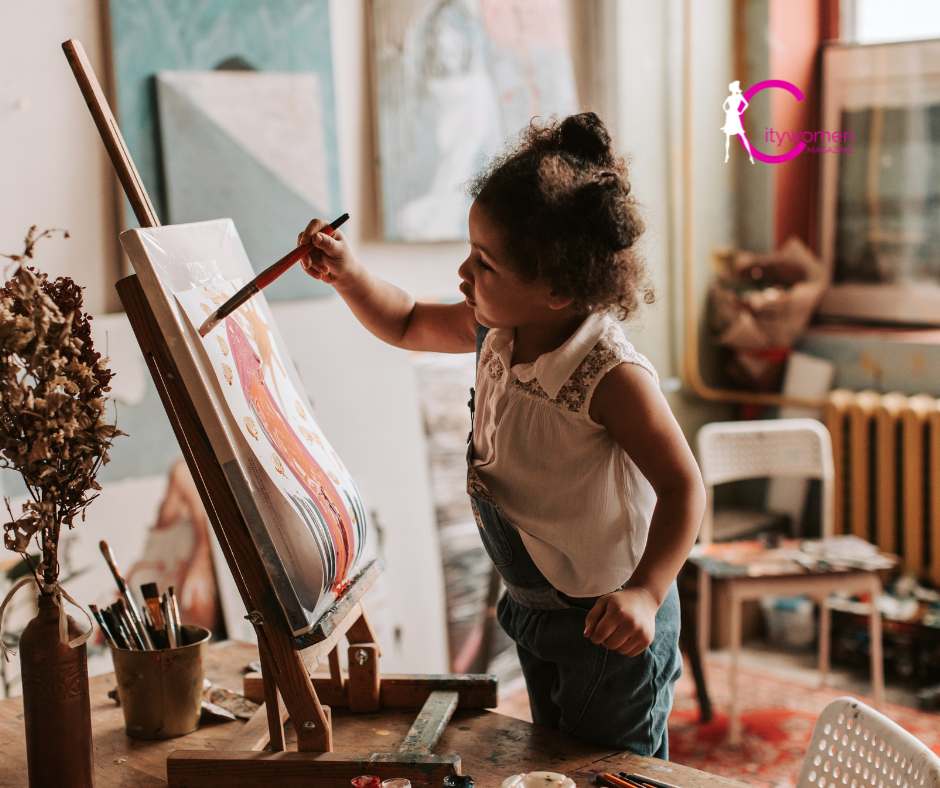
Little girl drawing with water colors, representing art as a tool for emotional expression in childhood

Between the ages of eight and twelve, children develop stronger thinking abilities and a growing sense of identity. Creative activities during this stage encourage problem-solving and flexible thinking, as children make choices about colors, patterns, rhythms, or storylines. Art projects also teach patience and concentration, especially in activities like music practice, theatre rehearsals, or detailed crafts. Successfully completing creative work builds confidence and self-esteem, helping children feel capable and proud of their efforts.

Teens (13+): Identity and Emotional Regulation

Group of kids doing a craft activity in a classroom, highlighting creativity improving focus and social bonding

For teenagers, art becomes more than play — it becomes a powerful emotional outlet. Adolescence often brings stress, social pressure, and emotional ups and downs. Creative expression through music, journaling, dance, photography, or digital art gives teens a safe way to process these feelings. Art helps them explore their identity, understand their emotions, and release stress in healthy ways. It can reduce emotional shutdown and encourage self-reflection and resilience during a time of major change.

Art and Happiness: The Emotional Superpower

Children who regularly participate in creative activities often show lower stress levels and better emotional control. Because art provides a safe outlet for big feelings, children are less likely to bottle emotions up. Creative expression also builds resilience by helping kids cope with frustration and mistakes in a healthy way. Over time, this strengthens confidence and nurtures a general sense of joy and satisfaction in daily life. Art doesn’t just entertain children — it supports long-term emotional wellbeing.

How Parents Can Encourage Art (Without Pressure)

Supporting a child’s creativity doesn’t require expensive classes or professional training. What matters most is giving children freedom to explore without fear of judgment. Keeping simple art supplies like paper, crayons, or craft materials within easy reach encourages spontaneous creativity. Playing music at home and allowing children to move freely also supports expression through dance and rhythm.

It’s important for parents to praise effort rather than focusing only on the final result. When adults avoid correcting or criticizing creative work, children feel safer expressing themselves. Joining children in art activities from time to time can also strengthen emotional bonding. The goal is not to raise a perfect artist — it is to raise a confident, emotionally healthy, and creative human being.

Art is not an “extra” activity in childhood — it is brain nourishment, emotional support, and happiness training wrapped in fun. Every drawing, song, dance step, or craft project helps shape a child’s developing brain and emotional world.

So the next time your child makes a colorful mess or sings loudly around the house, take a moment to smile. Their brain is growing, their emotions are learning to flow, and their happiness is quietly being built.

Could You Have an STI Without Knowing It?

STIs The Silent Infections You Shouldn’t Ignore

STI – Sexually Transmitted Infection 

A Sexually Transmitted Infection (STI) is a hidden intruder passed through intimate contact, often entering the body silently, spreading unnoticed, and causing harm long before symptoms appear—making awareness, testing, and prevention the strongest lines of defence.

Sexually Transmitted Infections (STIs): A Clinical Overview

What are Sexually Transmitted Infections (STIs)? Sexually Transmitted Infections (STIs) are infectious diseases caused by bacteria, viruses, parasites, or fungi that are primarily transmitted through sexual contact, including vaginal, anal, and oral intercourse. Many STIs remain asymptomatic, contributing to delayed diagnosis and increased transmission.

What Causes STIs? STIs are caused by different classes of pathogens:

1. Bacterial STIs • Chlamydia trachomatis (Chlamydia) • Neisseria gonorrhoeae (Gonorrhea) • Treponema pallidum (Syphilis)
2. Viral STIs • Human Immunodeficiency Virus (HIV) • Human Papillomavirus (HPV) • Herpes Simplex Virus (HSV-1, HSV-2) • Hepatitis B Virus (HBV)
3. Parasitic STIs • Trichomonas vaginalis (Trichomoniasis) • Pubic lice (Phthirus pubis)
4. Fungal Infections (occasionally sexually transmitted) • Candida albicans (not always classified as STI? Who is affected by sexually transmitted infections (STIs)?
Most STI’s affect both men and women, whereas in many cases the health problems they cause can be more fatal for women. If an STI is passed to a fetus during pregnancy or childbirth, it can cause life-threatening health problems.

How Do STIs Spread?

• Unprotected sexual intercourse • Multiple sexual partners • Blood and blood products • Mother-to-child transmission (during pregnancy, delivery, or breastfeeding) • Sharing contaminated needles

What Are the Common Symptoms of STIs?

Symptoms vary depending on the organism and stage of infection:
General Symptoms
  • Abnormal genital discharge • Genital ulcers or sores • Burning sensation during urination • Genital itching or irritation • Lower abdominal or pelvic pain • Pain during intercourse • Abnormal vaginal bleeding • Painful or frequent urination (peeing) • Abnormal vaginal odor
Important: Many STIs remain asymptomatic, especially in women.

What Are the Complications (Pros and Cons)?

Pros (If Diagnosed Early) • Most bacterial STIs are completely curable • Early treatment prevents complications • Transmission can be effectively controlled • Improved reproductive and sexual health outcomes
Cons (If Left Untreated) • Pelvic Inflammatory Disease (PID) • Infertility in both sexes • Ectopic pregnancy • Chronic pelvic pain • Increased risk of HIV acquisition • Neonatal infections and congenital abnormalities • Certain cancers (e.g., cervical cancer with HPV)

How Are STIs Medically Diagnosed?

Diagnosis depends on clinical suspicion and laboratory confirmation:

Common Diagnostic Tests

• Blood tests: HIV, Syphilis, Hepatitis B • Urine tests: Chlamydia, Gonorrhea • Swab tests (cervical, urethral, vaginal): Bacterial and viral STIs • NAAT (Nucleic Acid Amplification Tests) – gold standard for many STIs • Pap smear & HPV testing • Rapid diagnostic tests (RDTs) for screening HIV & AIDS: Understanding the Silent Journey of a Virus

Awareness 

HIV does not announce its arrival with pain or fear—it enters quietly, weakens the body patiently, and reveals its damage only when immunity begins to fail. Awareness is not just knowledge; it is protection, compassion, and the first step toward prevention.

Major Modes of Transmission

• Unprotected vaginal, anal, or oral sex with an infected person. • Sharing contaminated needles or syringes • Transfusion of infected blood or blood products • Mother-to-child transmission (during pregnancy, delivery, or breastfeeding) • Occupational exposure (needle-stick injuries in healthcare workers) HIV does NOT spread through casual contact, hugging, sharing food, or mosquito bites. Important: Not all HIV-positive individuals develop AIDS—early diagnosis and antiretroviral therapy (ART) can prevent progression.

Occurrence

HIV affects individuals of all ages and genders.
Higher risk in:
  1. People with multiple sexual partners
  2. Injection drug users
  3. Individuals with untreated STIs
  4. HIV remains a major global public health challenge, especially in low- and middle-income countries.

How Can STIs Be Prevented?

• Consistent and correct use of condoms • Regular STI screening • Limiting number of sexual partners • Vaccination (HPV, Hepatitis B) • Avoiding sharing needles • Comprehensive sex education • Having you and your partner tested for STIs before having sex. If you or your partner is allergic to latex, you can use polyurethane condoms.

Risk factors – Several behaviors can increase your risk:

• Having anal, vaginal, or oral sex without a condom • Having multiple sex partners • Having anonymous sex partners • Having sex while under the influence of drugs or alcohol can lower inhibitions and result in greater sexual risk-taking.

Foods to Avoid During STI/STD

• Alcohol (weakens immunity and interacts with medicines) • Excess sugar (feeds inflammation) • Processed and junk foods • Very spicy or oily foods (can worsen genital irritation) • Caffeinated drinks (in excess)

Why Is Awareness of STIs Important?

STIs represent a significant global public health burden due to:
• High prevalence • Social stigma and underreporting • Asymptomatic nature • Long-term health consequences Awareness promotes early testing, timely treatment, and prevention of transmission, ultimately reducing morbidity and mortality.

Key Medical Advice

• Always follow doctor-prescribed treatment • Do not rely on diet or home remedies alone • Combine medication + nutrition + safe sexual practices

Conclusion of STI (Sexually Transmitted Infections)

Sexually Transmitted Infections remain a major public health concern due to their high prevalence, asymptomatic nature, and potential for serious long-term complications. Early diagnosis, appropriate medical treatment, and partner management are essential to prevent disease progression and transmission. Comprehensive awareness, safe sexual practices, routine screening, and timely healthcare access play a crucial role in controlling STIs. An integrated approach combining medical care, education, and prevention strategies is key to reducing the burden of STIs and protecting individual as well as community health.

Romanticize Your Own Life with The Art of Solo Dates, Travel & Self-Care

Romanticize Your Own Life
image- Woman enjoying a solo coffee date while journaling outdoors

In a world that glorifies hustle and constant connection, learning to romanticize your own life is a quiet rebellion. It’s about slowing down, savoring the small moments, and realizing that joy doesn’t have to depend on anyone else.

What It Means to Romanticize Your Life

Romanticizing your life isn’t about pretending everything is perfect—it’s about finding magic in the mundane. It’s lighting a candle while reading, dressing up for yourself, or taking yourself out for coffee just because. It’s choosing to see your life as art in progress.

This mindset shift transforms ordinary routines into meaningful rituals. It’s not about luxury or aesthetics; it’s about presence, gratitude, and self-celebration.

The Power of Solo Dates

Solo dates are one of the most empowering ways to connect with yourself. They teach independence, confidence, and self-awareness. Whether it’s a movie night, a museum visit, or a picnic in the park, solo dates remind you that your own company is enough.

Ideas for Solo Dates:

  • Visit a local art gallery or museum
  • Take yourself to brunch or dinner
  • Attend a concert or theater show alone
  • Explore a new neighborhood or bookstore
  • Have a cozy night in with candles, music, and a favorite meal

Solo dates help build self-trust. They allow space for reflection and creativity, helping to strengthen emotional independence.

Solo Travel: Falling in Love with the World (and Yourself)

Traveling alone is one of the most transformative experiences. It pushes comfort zones, builds resilience, and opens the heart to new perspectives. Solo travel isn’t about isolation—it’s about freedom.

Benefits of Solo Travel:

  • Complete control over your itinerary
  • Opportunities for self-discovery
  • Meeting new people organically
  • Building confidence through independence
  • Learning to enjoy solitude

Start small with a weekend getaway or a day trip. Bring a journal, take photos, and immerse yourself in the moment. Every solo journey becomes a chapter in your personal story.

Self-Care Rituals That Feel Romantic

Self-care is more than skincare routines—it’s a form of self-respect. Romanticizing self-care means turning daily habits into acts of love.

Simple Self-Care Rituals:

  • Morning journaling with tea or coffee
  • Evening walks while listening to calming music
  • Creating a bedtime ritual with candles and gratitude reflection
  • Cooking a nourishing meal for yourself
  • Practicing mindfulness or meditation

These rituals remind you that you are worthy of care and attention. They help cultivate inner peace and emotional balance.

The Mindset Shift: From Waiting to Creating

Many people wait for special occasions or relationships to feel fulfilled. Romanticizing your life flips that narrative—you become the creator of your own joy.

Start by noticing beauty in everyday life: sunlight through the window, the sound of rain, the smell of fresh coffee. Gratitude amplifies happiness, and mindfulness deepens appreciation.

Building Confidence Through Self-Love

When you treat yourself with kindness and respect, confidence grows naturally. Romanticizing your life teaches that validation doesn’t come from others—it comes from within.

Celebrate small wins, speak kindly to yourself, and embrace imperfections. Confidence isn’t about perfection; it’s about authenticity.

Creating a Life That Feels Like a Love Story

Romanticizing your life is an ongoing practice. It’s about choosing joy, nurturing peace, and celebrating the present moment. Every solo date, trip, and ritual becomes a love letter to yourself.

When life feels ordinary, remember: the magic isn’t missing—it’s waiting to be noticed.

Self-Love Is the New Romance

Confident woman
Self-Love Is the New Romance

In a world that often glorifies external validation, self-love has become the ultimate act of rebellion—and the most powerful form of romance. Confident women understand that the relationship they have with themselves sets the tone for every other relationship in their lives. They know that confidence isn’t about arrogance or perfection; it’s about self-acceptance, resilience, and the courage to show up authentically.

Self-love is not a destination but a daily practice. It’s built through small, intentional habits that nurture emotional well-being, strengthen self-worth, and create inner peace. The following habits are the foundation of how confident women cultivate self-love and radiate confidence from within.

1. They Prioritize Self-Care Without Guilt

Confident women treat self-care as a necessity, not a luxury. They understand that taking care of their physical, emotional, and mental health is essential to showing up fully in life. Self-care doesn’t always mean spa days or vacations—it’s about creating daily rituals that restore balance and energy.

They start their mornings with mindfulness, journaling, or exercise to set a positive tone for the day. They nourish their bodies with healthy food, get enough rest, and make time for activities that bring joy. Most importantly, they practice self-care without guilt, knowing that rest and rejuvenation are acts of strength, not selfishness.

2. They Set Boundaries and Protect Their Energy

Confidence thrives in clarity. Confident women know their worth and are not afraid to set boundaries that protect their peace. They understand that saying “no” is not rejection—it’s self-respect.

They choose relationships that are supportive and uplifting, and they distance themselves from negativity or drama. Boundaries help them maintain emotional balance and prevent burnout. Whether it’s limiting social media time, declining extra work, or walking away from toxic environments, confident women honor their limits and prioritize their well-being.

3. They Celebrate Their Wins—Big and Small

Confident women don’t wait for others to validate their success. They celebrate their achievements, no matter how small, because they understand that progress deserves recognition.

Celebrating wins reinforces a positive mindset and builds momentum. It reminds them of how far they’ve come and motivates them to keep going. Whether it’s completing a project, sticking to a new habit, or simply getting through a tough day, confident women take time to acknowledge their efforts.

They also practice gratitude for their journey, recognizing that every step—success or setback—contributes to their growth.

4. They Speak Kindly to Themselves

The way women talk to themselves shapes their confidence. Confident women are mindful of their inner dialogue. Instead of harsh self-criticism, they practice self-compassion and affirmations that reinforce their worth.

They replace thoughts like “I’m not good enough” with “I’m learning and growing.” They understand that mistakes are part of the process and use them as opportunities for growth rather than reasons for shame.

By nurturing a kind and supportive inner voice, confident women build emotional resilience and self-trust. They become their own biggest cheerleaders, not their harshest critics.

5. They Keep Learning and Growing

Confidence is not static—it evolves through continuous learning and self-improvement. Confident women are curious and open-minded. They invest in personal and professional growth, whether through reading, taking courses, or exploring new experiences.

They understand that growth requires stepping outside their comfort zones. Instead of fearing failure, they see it as feedback. Every challenge becomes a chance to learn something new about themselves and the world.

This commitment to growth keeps them adaptable, empowered, and confident in their ability to handle whatever life brings.

6. They Embrace Authenticity

True confidence comes from authenticity. Confident women don’t chase perfection or try to fit into societal molds. They embrace their individuality—their quirks, flaws, and strengths—and show up as their true selves.

They understand that authenticity attracts genuine connections and opportunities. By being unapologetically themselves, they inspire others to do the same.

Authenticity also means being honest about emotions. Confident women allow themselves to feel deeply, express vulnerability, and seek help when needed. They know that strength and softness can coexist beautifully.

7. They Practice Gratitude Daily

Gratitude is one of the most powerful tools for cultivating confidence and joy. Confident women make gratitude a daily habit, focusing on what they have rather than what they lack.

They keep gratitude journals, reflect on positive moments, and express appreciation to others. This mindset shift helps them stay grounded and optimistic, even during challenging times.

Gratitude fosters abundance—it reminds them that they are already enough and that life is full of blessings waiting to be noticed.

8. They Surround Themselves With Positive Influences

The people around us shape our mindset. Confident women are intentional about their circle. They seek out relationships that inspire growth, positivity, and mutual respect.

They spend time with people who celebrate their success, challenge them to improve, and support their dreams. They avoid gossip, comparison, and negativity, knowing that energy is contagious.

By surrounding themselves with uplifting influences, confident women create an environment that nurtures self-love and empowerment.

9. They Take Responsibility for Their Happiness

Confident women don’t rely on others to make them happy. They take ownership of their emotions and choices. They understand that happiness is an inside job—a reflection of mindset, not circumstances.

They focus on what they can control and let go of what they can’t. Instead of blaming others or external situations, they choose to respond with grace and resilience.

This sense of responsibility gives them freedom. It allows them to create a life aligned with their values and passions, rather than waiting for external validation.

10. They Visualize and Manifest Their Goals

Confident women are visionaries. They set clear goals and visualize their success with intention. Visualization helps them stay focused, motivated, and aligned with their purpose.

They use affirmations, vision boards, and journaling to bring their dreams to life. They believe in their ability to achieve what they desire because they’ve built a foundation of self-trust through consistent action.

Manifestation for them isn’t about wishful thinking—it’s about combining belief with effort. They take inspired steps every day toward their goals, knowing that confidence grows through action.

11. They Practice Forgiveness

Holding onto resentment or guilt drains emotional energy. Confident women practice forgiveness—not to excuse others’ behavior, but to free themselves from emotional burdens.

They forgive others for past hurts and, most importantly, forgive themselves for mistakes. They understand that self-forgiveness is essential for healing and growth.

By releasing the past, they create space for peace, clarity, and renewed confidence.

12. They Live With Purpose

Confidence flourishes when life has meaning. Confident women live with purpose, guided by values and passions that align with their authentic selves.

They pursue careers, relationships, and goals that reflect who they truly are. Purpose gives them direction and resilience—it reminds them why they started, even when challenges arise.

Living with purpose transforms self-love into action. It turns confidence into contribution, allowing them to make a positive impact on the world around them.

Self-love is not a trend—it’s a lifelong romance. It’s the foundation of confidence, happiness, and fulfillment. Confident women know that loving themselves deeply allows them to love others more authentically and live more freely.

By practicing these habits—prioritizing self-care, setting boundaries, celebrating wins, speaking kindly, embracing authenticity, and living with purpose—any woman can cultivate unshakable confidence.

Self-love is the new romance, and it begins with choosing oneself every single day.

Trending Valentine Colors 2026 Beyond Red & Pink

Valentine’s Day fashion 2026 color
A New Era of Romantic Expression Valentine’s Day 2026 is moving past the predictable red and pink. This year’s color trends reflect individuality, emotional depth, and inclusivity. The modern Valentine palette embraces both bold and subtle tones that speak to every kind of love—romantic, self, and platonic. 1. Lilac Serenity
 
View this post on Instagram
 

A post shared by VOGUE India (@vogueindia)

Soft lilac is emerging as the color of calm affection. It represents emotional balance and self-love, making it perfect for those celebrating inner peace and mindful relationships. Lilac pairs beautifully with silver or cream for a dreamy, elegant look. 2. Emerald Green
 
View this post on Instagram
 

A post shared by Kriti Sanon 🦋 (@kritisanon)

Symbolizing growth and renewal, emerald green is the unexpected star of 2026. It reflects stability and deep emotional connection. Whether in fashion, decor, or floral arrangements, emerald adds a sophisticated twist to Valentine’s celebrations. 3. Peach Glow
 
View this post on Instagram
 

A post shared by Alia Bhatt 💛 (@aliaabhatt)

Warm and inviting, peach brings a sense of optimism and tenderness. It’s a modern alternative to pink—less traditional, more playful. Peach tones work beautifully in outfits, table settings, and digital designs for a soft yet vibrant vibe. 4. Midnight Blue
 
View this post on Instagram
 

A post shared by Priyanka (@priyankachopra)

For those who prefer depth over drama, midnight blue offers a mysterious and romantic edge. It symbolizes trust, loyalty, and emotional depth—perfect for long-term love stories. Pair it with gold or blush for a luxurious contrast. 5. Golden Honey
 
View this post on Instagram
 

A post shared by Kriti Sanon 🦋 (@kritisanon)

Gold tones are making a comeback as symbols of warmth and abundance. Golden honey shades add a touch of luxury to Valentine’s aesthetics, blending beautifully with both cool and warm palettes. 6. Soft Neutrals
 
View this post on Instagram
 

A post shared by Sara Ali Khan (@saraalikhan95)

Beige, taupe, and ivory are redefining minimal romance. These tones create a clean, timeless backdrop that highlights emotion over extravagance. Perfect for modern couples who prefer understated elegance. Styling and Design Inspiration Mix and match these trending hues to create a personalized Valentine’s vibe. Combine lilac and gold for a regal look, or pair emerald with peach for a fresh, nature-inspired palette. Whether designing outfits, gifts, or digital content, these shades bring a modern twist to love’s favorite day.

Dating in the Digital Age

Woman using dating app on smartphone, modern digital dating, online relationship challenges, ghosting and situationships concept
AI generated images

Love has moved from chance meetings and long phone calls to swipes, seen-ticks, and “last seen at.” Dating in the digital age has opened new doors — but it has also brought new challenges that women are learning to navigate with awareness and self-respect.

Welcome to modern romance, where technology connects hearts… and sometimes confuses them.

Dating Apps: Opportunity or Overload?

Dating apps have made it easier than ever to meet people outside your social circle. You can connect with someone who shares your interests, values, and lifestyle — all from your phone.

But with endless options comes “choice fatigue.”
Too many profiles can make people treat connections as disposable, always wondering if someone “better” is just one swipe away.

The key? Use apps with intention, not boredom. Look for meaningful conversations, not just matches.

Situationships: The Almost-Relationship

One of the biggest modern dating trends is the situationship — a connection that feels like a relationship but has no clear label.

You talk daily. You meet often. There’s emotional closeness.
But when you ask, “What are we?” — the answer is vague.

Situationships can leave women emotionally invested without clarity or commitment. Psychologists say unclear relationships often create anxiety because expectations are never discussed openly.

Healthy dating includes clarity. If someone avoids defining the relationship after a reasonable time, that’s information — not mystery.

Ghosting: The Silent Goodbye

Ghosting — when someone suddenly stops responding without explanation — is one of the harsh realities of digital dating. It can leave you questioning:

  1. Did I say something wrong?
  2. Was it all fake?

But ghosting says more about the other person’s emotional maturity than your worth. Avoiding difficult conversations is easier online, but it’s not respectful.

Closure may not always come from them — sometimes it comes from deciding you deserve better communication.

Texting vs Real Connection

Constant texting can feel intimate, but it doesn’t always mean emotional depth. Emojis and late-night chats can create a false sense of closeness.

Real connection shows up as:
  • Consistent effort
  • Plans that actually happen
  • Respectful communication beyond the screen

If someone only exists in your phone and never in your real life, the relationship isn’t growing — it’s stalling.

Modern Dating Rules Every Woman Should Follow

  1. Don’t confuse attention with intention
  2. If it’s confusing, ask directly
  3. Consistency is more romantic than intensity
  4. You deserve clarity, not mixed signals
  5. Trust patterns, not promises

Dating today may look different, but one truth hasn’t changed: a healthy relationship should add peace to your life, not pressure. Technology can introduce people — but emotional maturity builds love. So swipe, chat, and explore — but never lower your standards just to keep someone’s attention. Because in the digital age, the strongest filter isn’t on the app… it’s the one you use to protect your heart.

Top Romantic Places in India for Valentine’s Day

Top Romantic Places in India for Valentine’s Day

Valentine’s Day is the perfect time for couples to escape the routine and celebrate love in a beautiful setting. India offers countless romantic destinations, from royal palaces to serene beaches and misty mountains.

1. Udaipur, Rajasthan – The City of Lakes

Udaipur’s shimmering lakes and royal palaces make it one of India’s most romantic cities. Couples can enjoy a sunset boat ride on Lake Pichola or a candlelight dinner overlooking the water.

Romantic Highlights:

  • Boat ride on Lake Pichola
  • Dinner at Ambrai Restaurant
  • Visit to City Palace

2. Goa – Sun, Sand, and Love

Goa’s beaches and vibrant nightlife create the perfect mix of relaxation and excitement. Whether lounging on a quiet beach or dancing under the stars, Goa is ideal for Valentine’s celebrations.

Romantic Highlights:

  • Sunset cruise on Mandovi River
  • Beachside candlelight dinner
  • Explore Old Goa’s heritage

3. Manali, Himachal Pradesh – Love in the Hills

Manali’s snow-capped peaks and cozy cottages offer a dreamy mountain escape. The peaceful surroundings make it perfect for couples seeking serenity.

Romantic Highlights:

  • Stroll through Solang Valley
  • Visit Hidimba Temple
  • Bonfire evening in a mountain resort

4. Alleppey, Kerala – Backwaters Bliss

Alleppey’s tranquil backwaters and houseboat stays create a magical Valentine’s experience. Couples can drift through palm-lined canals while enjoying authentic Kerala cuisine.

Romantic Highlights:

  • Overnight houseboat stay
  • Ayurvedic couple spa
  • Visit Marari Beach

5. Agra, Uttar Pradesh – The Symbol of Love

Agra’s Taj Mahal remains the ultimate symbol of eternal love. Visiting this monument on Valentine’s Day is a timeless romantic gesture.

Romantic Highlights:

  • Sunrise visit to the Taj Mahal
  • Explore Agra Fort
  • Dine with a view of the Taj

6. Coorg, Karnataka – The Scotland of India

Coorg’s lush coffee plantations and misty hills make it a peaceful retreat for couples. The aroma of coffee and the sound of nature create a soothing atmosphere.

Romantic Highlights:

  • Visit Abbey Falls
  • Coffee plantation tour
  • Stay in a luxury homestay

7. Andaman Islands – Tropical Romance

The Andaman Islands offer privacy, adventure, and pristine beaches. Perfect for couples who love the sea and want a tropical Valentine’s escape.

Romantic Highlights:

  • Visit Radhanagar Beach
  • Scuba diving at Havelock Island
  • Candlelight dinner by the beach
Travel Tips for Valentine’s Day in India
  • Book early to secure the best stays and experiences.
  • Choose destinations that match personal preferences—beach, hills, or heritage.
  • Add romantic touches like private dinners or spa sessions.

Celebrate love this Valentine’s Day by exploring India’s most romantic destinations and creating memories that last a lifetime.

Kayadu Lohar Returns to Malayalam; New Poster of ‘Pallichattambi’ Released

New Poster of ‘Pallichattambi

A new poster of Pallichattambi, directed by Dijo Jose Antony with Tovino Thomas in the lead, has been released. The latest release is a single-character poster featuring the film’s heroine, Kayadu Lohar. The poster also reveals the film’s release date. Posters have been unveiled in five languages, including Malayalam. Pallichattambi is set for a worldwide theatrical release on April 9.

Kayadu Lohar’s announcement video as the female lead in Pallichattambi had earlier drawn significant attention. Kayadu became a favorite among South Indian cinema audiences following her role as the heroine in the Tamil superhit film Dragon.

In Pallichattambi, Tovino Thomas will be seen in a look never seen before. The film is produced by Noufal and Brijeesh under the banner of Worldwide Films, along with Chanukya, Chaitanya, and Charan under the banner of C Cube Bros Entertainments. The film is being released in five languages, including Malayalam. The screenplay has been written by S. Suresh Babu.

Apart from Kayadu Lohar in the female lead, Pallichattambi also features an ensemble cast including Vijay Raghavan, Sudheer Karamana, Baburaj, Vinod Kedamangalam, Prashanth Alex, and several other prominent actors. The film is set in the 1950s–60s period.

The cinematography of the film is handled by Tijo Tomy, while the music is composed by Mollywood’s music sensation Jakes Bejoy. Megha Shyam and Thanseer serve as co-producers. Costumes are designed by Manjusha Radhakrishnan, and makeup is by Rasheed Ahmed. The line producer is Alex E. Kurien, finance controller Anil Amballur, and production controller Rajesh Menon.

Renith Raj and Kiran Raphael are the chief associate directors. Sound design is by Sync Cinema, and the art direction is by Rajesh Menon. Casting is handled by Binoy Nambala. Digital marketing is managed by Akhil Vishnu V.S, with PR by Akshay Prakash. Stills photography is by Rishlal Unnikrishnan, and the poster design is by Yellowtooths.