






Tamannaah Bhatia’s Fashion Evolution: Power, Glamour & Global Style

Tamannaah Bhatia fashion
tamannaahspeaks/instagram
Few Indian celebrities balance versatility and elegance as effortlessly as Tamannaah Bhatia. Over the years, her fashion choices have evolved from classic glamour to bold, global statements—making her one of the most closely followed style icons in Indian cinema today. The looks featured here perfectly capture her current fashion phase: confident, experimental, and unapologetically powerful. In the first look, Tamannaah commands attention in a structured black ensemble paired with an ornate, gold-embellished corset. The sharply tailored silhouette blends strength with couture-level detailing, reflecting a modern woman who owns her space. This outfit is not just fashion—it’s a statement of authority, perfectly suited for high-profile fashion weeks and luxury editorials. Her minimal makeup and soft waves allow the craftsmanship of the outfit to take center stage.
 
View this post on Instagram
 

A post shared by Tamannaah Bhatia (@tamannaahspeaks)

Switching gears, Tamannaah embraces sensual elegance in a striking red halter-neck gown adorned with a rose-inspired print. Set against an open skyline, the look balances romance and confidence. Flowing fabric, a sculpted fit, and carefully chosen accessories elevate the ensemble into a cinematic moment. This look highlights her ability to carry bold colors without overpowering her natural grace—a quality that consistently sets her apart.
 
View this post on Instagram
 

A post shared by Tamannaah Bhatia (@tamannaahspeaks)

In another appearance, Tamannaah stuns in a sleek black bodycon dress with metallic accents and subtle fringe details. Clean lines and a fitted silhouette reflect her affinity for modern, international fashion trends. This look speaks to understated glamour—proof that she doesn’t rely on excess to make an impact. Her poised walk and confident posture complete the visual narrative of effortless sophistication.
 
View this post on Instagram
 

A post shared by Tamannaah Bhatia (@tamannaahspeaks)

The soft pink strapless gown with an oversized bow showcases Tamannaah’s playful yet polished side. The sculptural design adds drama while maintaining elegance, making it a perfect red-carpet choice. Paired with diamond jewellery and a refined updo, the look channels old-world Hollywood glamour with a contemporary twist. It’s a reminder that femininity and strength can coexist beautifully in fashion.
 
View this post on Instagram

 

A post shared by Tamannaah Bhatia (@tamannaahspeaks)

Finally, Tamannaah’s casual-chic avatar proves her style extends beyond formalwear. An oversized jacket paired with a modern skirt and boots reflects her comfort with street-style aesthetics. This relaxed yet edgy look resonates with younger audiences and reinforces her image as a fashion-forward celebrity who understands trends without being ruled by them.
 
View this post on Instagram
 

A post shared by Tamannaah Bhatia (@tamannaahspeaks)

What makes Tamannaah Bhatia’s fashion journey truly compelling is her consistency in reinvention. She doesn’t follow trends blindly—she adapts them to her personality. Whether it’s couture, evening wear, or off-duty fashion, her style always feels intentional and authentic. In an era where celebrity fashion often feels repetitive, Tamannaah continues to surprise, inspire, and set benchmarks. Her fashion evolution mirrors her professional journey—confident, diverse, and always evolving. And that is exactly why Tamannaah Bhatia remains a true fashion icon to watch.

The Future of Skincare: Skin Longevity and Cellular Health

Skincare
Skincare
Skin Longevity and Cellular Health: The Future of Skincare. The skincare industry is undergoing a major transformation. The focus is shifting from simply fighting visible signs of aging to nurturing the skin’s long-term vitality at a cellular level. This new approach, known as skin longevity, emphasizes maintaining healthy, resilient skin that ages gracefully rather than attempting to reverse time. From Anti-Aging to Pro-Health Traditional anti-aging products often target surface-level concerns like wrinkles and fine lines. However, the new wave of skincare innovation looks deeper — into the skin’s cellular structure. By supporting the natural repair and regeneration processes, these treatments aim to enhance the skin’s ability to renew itself over time. The Rise of Exosomes Exosomes are microscopic messengers derived from stem cells that play a crucial role in cell communication. In skincare, they help deliver growth factors and peptides that stimulate collagen production, improve elasticity, and accelerate healing. This makes exosomes a powerful tool for restoring youthful radiance and resilience. The Power of PDRN PDRN (Polydeoxyribonucleotide) is another breakthrough ingredient gaining attention. Extracted from salmon DNA, PDRN promotes tissue repair, boosts hydration, and enhances skin elasticity. It works by activating the body’s natural healing mechanisms, making it ideal for rejuvenating tired or damaged skin. A Holistic Approach to Skin Health Skin longevity isn’t just about topical treatments. It’s a holistic philosophy that includes nutrition, sleep, stress management, and sun protection. Combining these lifestyle factors with advanced cellular therapies creates a foundation for lasting skin health. The Future of Beauty As science continues to uncover the secrets of cellular regeneration, skincare will become more personalized and preventive. The goal is no longer to “anti-age” but to age well — with skin that reflects vitality, balance, and health at every stage of life.

Equal Pay Debate: Kareena vs Akshay Sparks Bollywood Buzz

Photo Courtesy : Azhar Khan

The debate around equal pay in Bollywood has once again taken center stage after *Kareena Kapoor Khan* openly spoke about the importance of fair compensation for actresses. Her comments quickly went viral across social media, triggering a broader discussion about gender pay disparity in the Hindi film industry. Interestingly, actor *Akshay Kumar* responded in his signature witty yet business-minded style, adding a fresh layer to the conversation.

Kareena Kapoor Khan emphasized that actresses today are no longer limited to supporting roles. They headline films, drive box office numbers, and command massive fan followings. According to her, the industry must evolve with the times and recognize the commercial value female stars bring to projects. In recent years, Bollywood has seen several women-led films perform exceptionally well, proving that audiences are ready for strong female narratives.

The issue of equal pay is not new in Bollywood. For decades, male superstars have commanded significantly higher fees than their female counterparts. The justification often cited by producers revolves around market dynamics—male actors traditionally have had stronger box office pull and larger global appeal. However, with changing audience preferences and the rise of digital platforms, this perception is gradually shifting.

Kareena’s statement resonated with many who believe the industry needs structural change. Social media platforms were flooded with opinions from fans, critics, and industry insiders. Many praised her for speaking up, while others argued that pay scales in cinema are largely dependent on profitability and audience draw rather than gender alone.

Akshay Kumar, known for balancing commercial cinema with socially relevant themes, responded to the debate with a light yet practical suggestion. He implied that remuneration in films should be aligned with the business model—essentially tying compensation to box office performance and profit-sharing structures. His perspective suggested that transparency in revenue and performance metrics could help bridge the pay gap more effectively than fixed salaries alone.

This exchange highlights a larger transformation happening in Bollywood. The rise of female-centric films, OTT platforms, and evolving storytelling formats has altered the power dynamics of the industry. Actresses are now not just performers but also producers and entrepreneurs who actively shape content. From action-packed roles to biopics and socially driven dramas, women in Bollywood are redefining their on-screen presence.

Industry experts point out that equal pay debates must also consider multiple factors such as production budgets, brand endorsements, distribution rights, and overseas markets. While gender equality is an important principle, film remuneration is deeply intertwined with economics. Therefore, many believe that a balanced, transparent model—where actors share risks and profits—could be a practical solution.

At the same time, public conversations like this are important. When leading stars speak about compensation openly, it encourages accountability and dialogue within the industry. It also inspires upcoming actresses to negotiate better and understand their market value.

Bollywood is currently in a phase of reinvention. Content-driven cinema is gaining traction, and audiences are increasingly supportive of diverse narratives. In such a climate, discussions around equal pay are likely to become more prominent. The question is no longer whether actresses deserve equal recognition—they clearly do—but how the industry can implement fair systems that balance creativity and commerce.

Kareena Kapoor Khan’s stance reflects the confidence of a new-generation Bollywood where women are vocal, empowered, and commercially influential. Akshay Kumar’s response, meanwhile, highlights the business realities of filmmaking. Together, their perspectives represent two sides of an evolving industry conversation.

As Bollywood continues to adapt to modern expectations, equal pay debates will likely remain part of mainstream discourse. What is clear is that change is happening—gradually but visibly—and these public discussions are a significant step forward.

Brooches Are Back: The Must-Have Statement Accessory of 2026

brooch pin
brooch pin
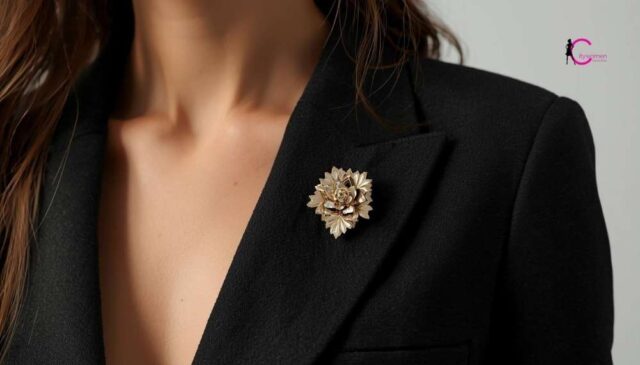
Brooches Are Back: The Must-Have Statement Accessory of 2026 Brooches are reclaiming their place in the spotlight as one of 2026’s most elegant fashion trends. Once considered vintage, these decorative pins are now being reimagined by designers and stylists to complement modern wardrobes.
Brooches
Brooches
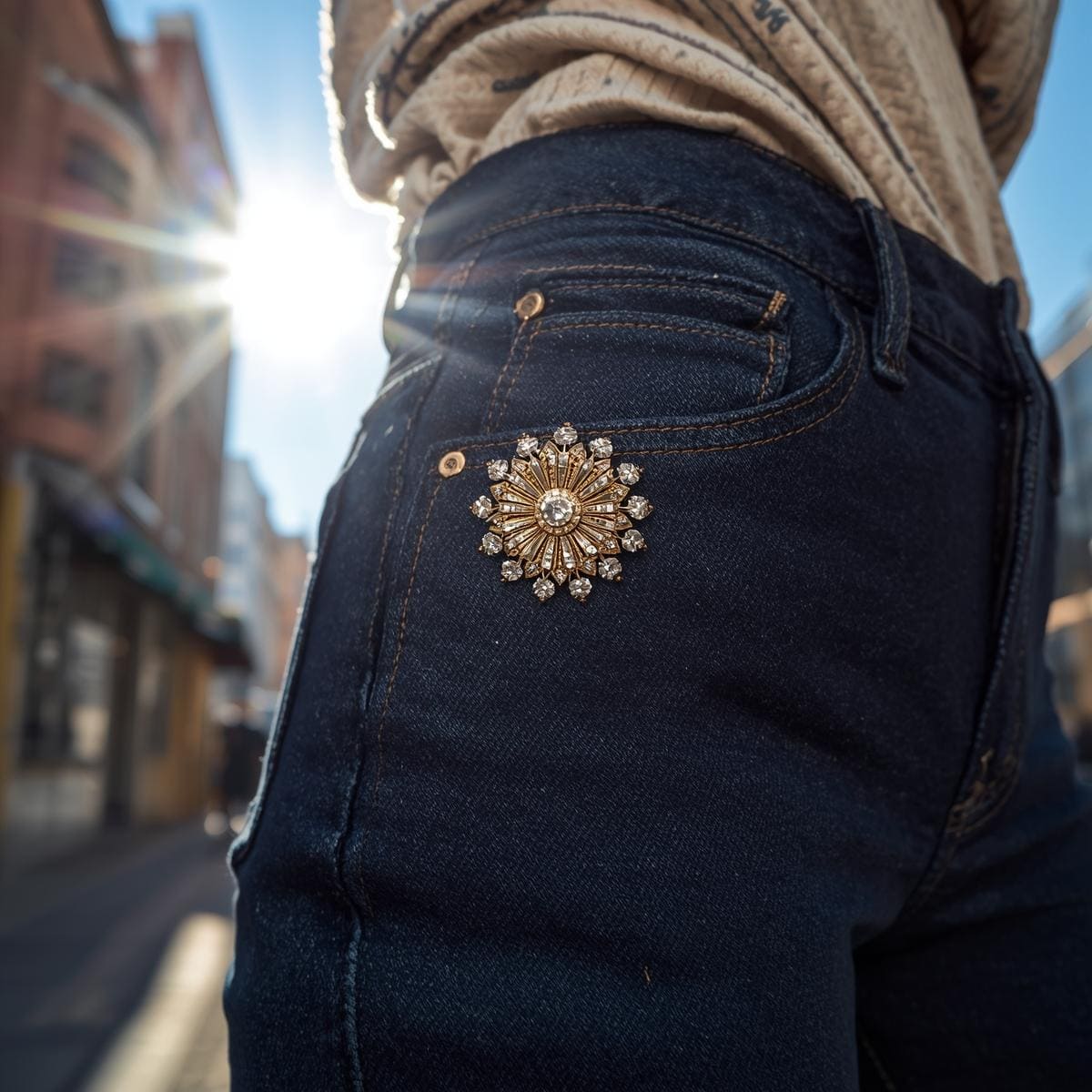
From bold gemstone designs to minimalist metallic pins, brooches are adding flair to blazers, dresses, scarves, and even handbags. Their versatility allows them to transition effortlessly from daywear to evening looks, making them a must-have accessory for fashion enthusiasts.
Brooch pin
Brooch pin
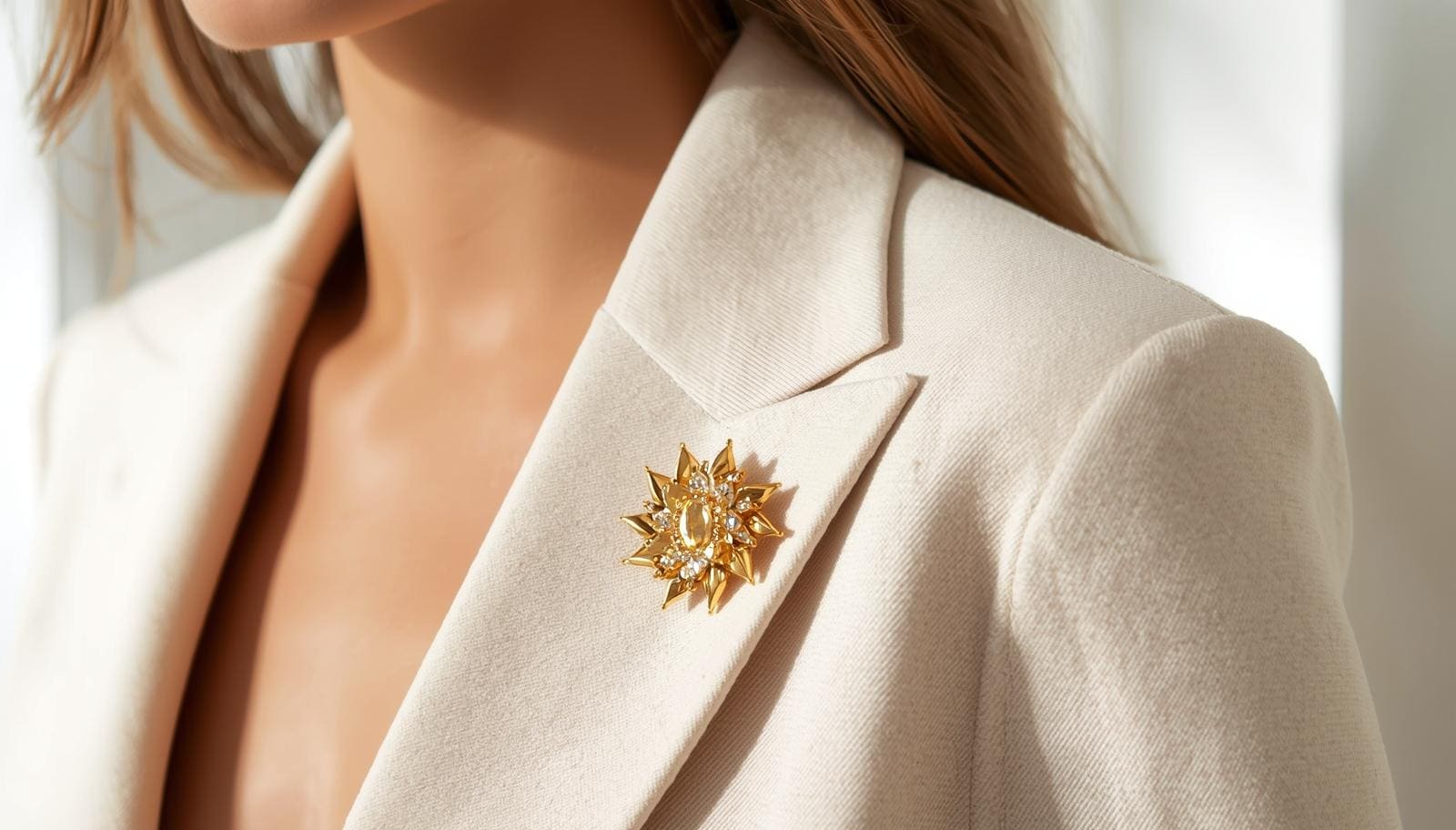
Celebrities and influencers are embracing brooches as a way to express individuality and sophistication. Whether styled on a lapel or used to accentuate a neckline, brooches bring a touch of artistry and personality to any outfit. As sustainability continues to shape fashion choices, vintage brooches are also gaining popularity, offering a sustainable and stylish way to accessorize.

In 2026, brooches are not just accessories—they’re statements of elegance, creativity, and timeless charm.

“Beyond Hot Flashes: The Overlooked Burden of Gastric Disorders in Midlife Women”

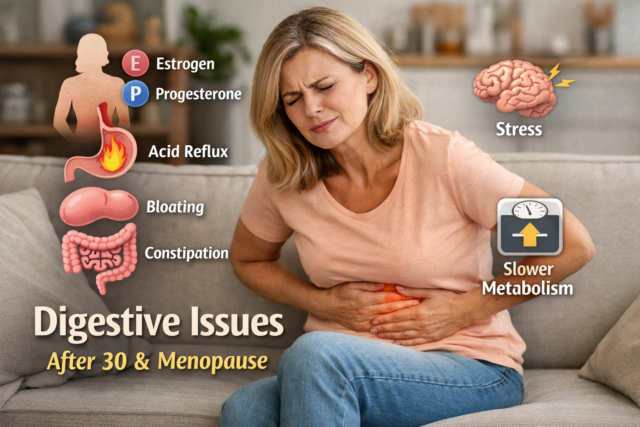
Middle-aged woman holding her stomach due to bloating and digestive discomfort at home
AI generated images
As women age, especially after 30 and more prominently after 40 and during menopause, hormonal changes significantly affect digestion. Many women start experiencing persistent acidity, bloating, constipation, gas, reflux, and abdominal discomfort, which may not have been present in their 20’s. These issues are not “just normal acidity” — they are often connected to hormonal fluctuations, metabolism changes, stress, and lifestyle patterns.
Why Gastric Issues Increase After 30?
Hormonal Fluctuations (Estrogen & Progesterone)
  • Estrogen influences gut motility and inflammation.
  • Progesterone relaxes smooth muscles — including intestinal muscles.
  • When progesterone rises (especially premenstrual phase), digestion slows → leading to:
    • Constipation
    • Bloating
    • Water retention
As hormones become irregular with age, digestion becomes inconsistent.
Slower Metabolism
After 30:
  • Metabolic rate gradually decreases.
  • Physical activity often reduces.
  • Muscle mass decreases → digestion slows.
This contributes to:
  • Weight gain
  • Gas formation
  • Indigestion
Stress & Emotional Load
Women often carry multiple responsibilities — career, family, care-giving. Chronic stress increases:
  • Cortisol
  • Gut inflammation
  • Acid production
This can lead to:
  • Gastritis
  • IBS (Irritable Bowel Syndrome)
  • Acid reflux
Tummy issue This is partially because as we grow older, our stomach produce less acid. Without acid’s protection, hard-on-the-stomach medications, may become harder to bear. And just as the muscles throughout your body might tire more easily than they did in your 20’s and 30’s, the muscles in your gastrointestinal tract, including the esophagus and bowel, can slow down. This often leads to increased symptoms, such as acid reflux or constipation, respectively, over age 65
Menopause and Gastric Issues
During perimenopause (when periods stop for 12 consecutive months) and menopause (usually 45–55 years), estrogen levels drop significantly. During menopause:
  • Estrogen decline reduces collagen support in GI tissues.
  • Pelvic floor muscles weaken.
  • Transit time in colon increases.
  • Increased visceral sensitivity occurs.
Hot flashes and stress further exacerbate GI symptoms.
Effects on the Digestive System:
 Increased Acidity &GERD (Gastroesophageal Reflux Disease)
Lower estrogen affects the lower esophageal sphincter → more acid reflux.
 Bloating & Gas
Hormonal imbalance slows gut movement.
 Constipation
Reduced gut motility and dehydration are common.
 Gut Microbiome Changes
Estrogen helps maintain healthy gut bacteria. When it decreases:
  • Gut flora imbalance occurs.
  • More inflammation.
  • Food sensitivities increase.
Constipation Our digestive system moves food through our bodies through a series of muscle contractions. As we age, this process can slow down. When that happens, more water from the food is absorbed into the body, which can lead to constipation. Staying hydrated is very important to help prevent constipation. Inactivity can also contribute to constipation, so remember to get at least 30 minutes of moderate physical activity four days a week. Reduced gut motility and dehydration are common.
Consequences of Ignoring Gastric Issues
If not managed properly, chronic gastric problems can lead to:
 Chronic Gastritis
Persistent inflammation of stomach lining.
Ulcers
Due to excessive acid production
Nutrient Deficiencies
Poor absorption of:
  • Iron (→ anemia)
  • Vitamin B 12
  • Calcium
  • Magnesium
This increases:
  • Fatigue
  • Hair fall
  • Weak bones (osteoporosis risk increases after menopause)
 Weight Gain
Sluggish digestion leads to fat accumulation, especially abdominal fat.
Mood Disorders
Gut is connected to brain (Gut-Brain Axis). Digestive imbalance can cause:
  • Anxiety
  • Irritability
  • Low mood
Increased Risk of Metabolic Disorders
Chronic inflammation may contribute to:
  • Insulin resistance
  • Type 2 diabetes
  • Cardiovascular risk
Common Symptoms Women Report
  • Persistent bloating
  • Heaviness after meals
  • Acid reflux at night
  • Burping frequently
  • Constipation for several days
  • Abdominal cramps
  • Food intolerance (dairy, spicy food, fried food)
How to Deal with Gastric Issues After 30 & During Menopause
Improve Diet Pattern
Eat smaller, frequent meals Increase fiber (vegetables, fruits, whole grains) Include probiotics (curd, buttermilk) Drink 2–3 liters water daily Avoid late-night heavy meals Avoid:
  • Excess tea/coffee
  • Spicy fried foods
  • Processed food
  • Carbonated drinks
Exercise Regularly
At least 30 minutes daily:
  • Walking
  • Yoga (Pavanmuktasana, Vajrasana, Bhujangasana)
  • Light strength training
Exercise improves gut motility.
Stress Management
  • Meditation
  • Deep breathing
  • Journaling
  • Proper sleep (7–8 hours)
Reducing cortisol improves digestion.
 Medical Evaluation (If Persistent)
Consult doctor if:
  • Severe abdominal pain
  • Blood in stool
  • Sudden weight loss
  • Severe reflux not improving
  • Severe anemia
  • Persistent vomiting
Tests may include:
  • Endoscopy
  • pylori test
  • Thyroid test
  • Vitamin levels
Menopause-Specific Care
  • Phytoestrogens foods include (soy products, flaxseeds)
  • Calcium & Vitamin D
  • Hormone therapy (if advised by doctor)
  • Gut-friendly supplements
 
  • Gastric issues in women after 30 and particularly during menopause are multifactorial and strongly influenced by hormonal fluctuations, microbiome changes, metabolic shifts, and psychosocial stressors. Research demonstrates that declining estrogen and progesterone levels significantly affect gut motility, mucosal integrity, and inflammatory pathways.
 
  • Untreated chronic gastric dysfunction may lead to nutritional deficiencies, metabolic disorders, psychological distress, and reduced quality of life. However, evidence-based interventions—including dietary modification, physical activity, stress management, and appropriate medical evaluation—can significantly improve outcomes.
 
  • A multidisciplinary, hormone-aware, and gut-focused approach is essential for optimal digestive health in aging women.
   

Understanding Nipah Virus: Symptoms, Transmission & India 2026 Update

Nipah virus transmission cycle from bats to humans
AI generated images
The Nipah virus is a highly contagious, deadly virus that jumps from animals to humans with —a high death rate and can also spread from person-to-person. Though rare, it’s medically important because of its high fatality rate and potential to cause outbreaks.

What is Nipah virus?

Nipah virus is a zoonotic virus (animal → human) belonging to the Henipavirus genus of the Paramyxoviridae family. It was first identified in 1998–1999 during an outbreak in Malaysia and has since caused outbreaks in several Asian countries including India and Bangladesh. In India, outbreaks are periodically reported in several parts of the country, including the latest one in 2026.

Transmission

Transmission of the virus to humans can occur from direct contact with infected animals like bats, pigs or horses, and by consuming fruits or fruit products, such as raw date palm juice, contaminated by infected fruit bats. The virus can also cause severe disease in farming animals such as pigs.

Transmission to humans:

  • Contact with infected animals (bats or pigs) or contaminated food (e.g., fruits or raw palm sap contaminated by bat urine/saliva).
  • Human-to-human transmission through close contact with body fluids (especially in caregiving/hospital settings). • No vaccines or specific antiviral medicines are yet licensed; treatment focuses on supportive care.

Symptoms of Nipah Virus Infection

Initial symptoms can resemble many common viral ill-nesses, but some progress to life-threatening complications: Early symptoms (typically 3–14 days after exposure): • Fever • Headache • Muscle pain • Sore throat • Vomiting • Fatigue

As disease worsens:

• Dizziness • Drowsiness • Neurological signs (e.g., confusion, altered consciousness) • Acute encephalitis (brain inflammation) • Seizures • Respiratory distress • Coma within 24–48 hours in severe cases • High fatality rate in serious infections

Recent Nipah Virus Cases in India (2025–2026)

West Bengal (December 2025 – January 2026):
• Two laboratory-confirmed cases were reported in North 24 Parganas district (Barasat) in West Bengal. Both were healthcare workers (nurses) at a private hospital. • Symptoms began in late December 2025; they were hospitalized in early January 2026. As of late January, one remained critically ill, and the other showed improvement. • Over 190 contacts were identified and tested — all were negative so far. • This marks West Bengal’s third documented Nipah outbreak (previously reported in 2001 and 2007). Kerala (2025): • In 2025, Kerala experienced another cluster — three cases were confirmed in Malappuram and Palakkad districts, and 677 contacts were traced by health authorities. • Kerala has had multiple outbreaks in recent years (since 2018), often with serious complications including deaths in past outbreaks. These cases remain locally contained due to rapid public health response — active testing, isolation, and contact tracing.

Why These Outbreaks Happen

Nipah virus outbreaks in India are usually sporadic and local, linked to: • Areas with fruit bat populations (especially Pteropus bats). • Human exposure to bats’ urine/saliva — through contaminated food or fruit. • Occasional person-to-person spread (close contact). • Cultural practices like consumption of raw date palm sap during harvest seasons — a known risk factor in South Asia.

Prevention & Protective Measures

Since there’s no vaccine or specific antiviral treatment yet, emphasis is on preventing infection:

Personal precautions

  • Wash hands often with soap and water. • Seek medical care early if fever and neurological symptoms develop after exposure. • Avoid direct contact with fruit bats, pigs, and other sick animals. • Thoroughly wash fruits and vegetables before eating.

Food safety

  • Avoid raw date palm sap or products that might be contaminated with bat saliva/urine. • Cover date palm sap collection containers to keep bats away.

Healthcare precautions

• Strict infection control in hospitals (PPE, careful handling of body fluids). • Isolation of suspected or confirmed patients. • Contact tracing and monitoring to interrupt transmission chains.

Animal and environmental measures

• Quarantine or restrict movement of animals in outbreak zones. • Culling/restricting access to infected animal premises if advised by authorities.

Risk Assessment

• WHO and Indian health authorities assess the current outbreak risk as moderate at local levels but low at national and global levels. • International surveillance (screenings at some airports in Asia) has been enhanced as precaution.

Summary

• Nipah virus causes serious illness with fever, neurological signs, respiratory distress, and high fatality in severe cases. • Recent cases in India are concentrated in West Bengal and Kerala, with rapid containment actions underway. • No vaccine or specific cure exists yet — prevention via hygiene, food safety, and infection control is key.    

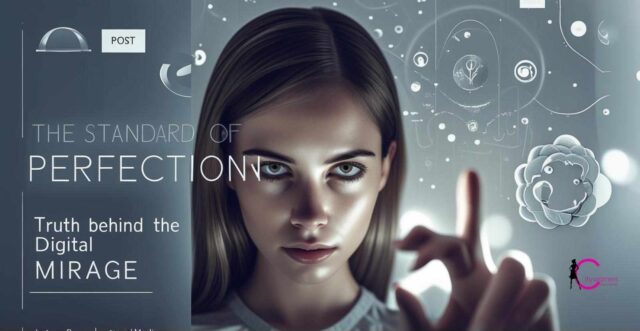
The Standard of Perfection: Truth Behind the Digital Mirage

The Standard of Perfection Truth Behind the Digital Mirage
AI generated images
Guest Writer – Aaliya Khan
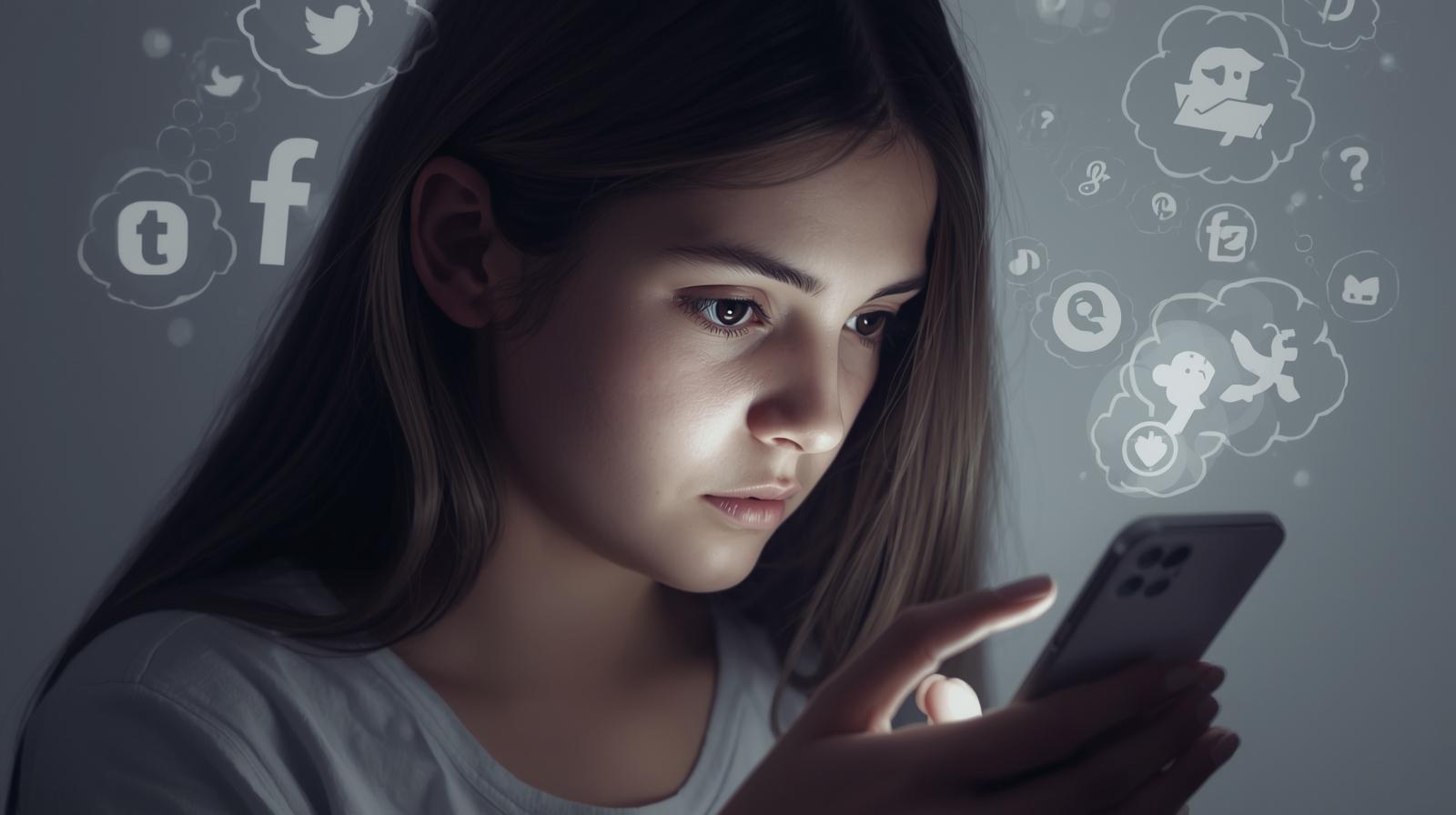
The Standard of Perfection: Navigating the Digital Mirage Let me guess: the first thing you do after returning from school is catch up on your favorite creator’s newly uploaded content. You adore them; for many of you, they are the standard and serve as a role model. According to you, they are the most perfect person to ever step on this planet. Sound familiar? It’s completely normal to admire your favorite creators or idols, just as I have my favorites too. However, some of us often attempt to craft a social image like theirs, forgetting how unique we are in our own ways. This can lead to an unhealthy obsession with trying to become just like them. I know it’s hard to hear, but sometimes, what we see on their social media isn’t quite what it appears to be. You’ve probably heard the phrase “reel vs. real,” right? We often turn to social media for inspiration and entertainment, but unfortunately, many of us fall into the trap of the unrealistic world that social media creates to draw us in. While social media isn’t inherently bad, it’s essential to understand that, like everything, it has its own set of merits and demerits.
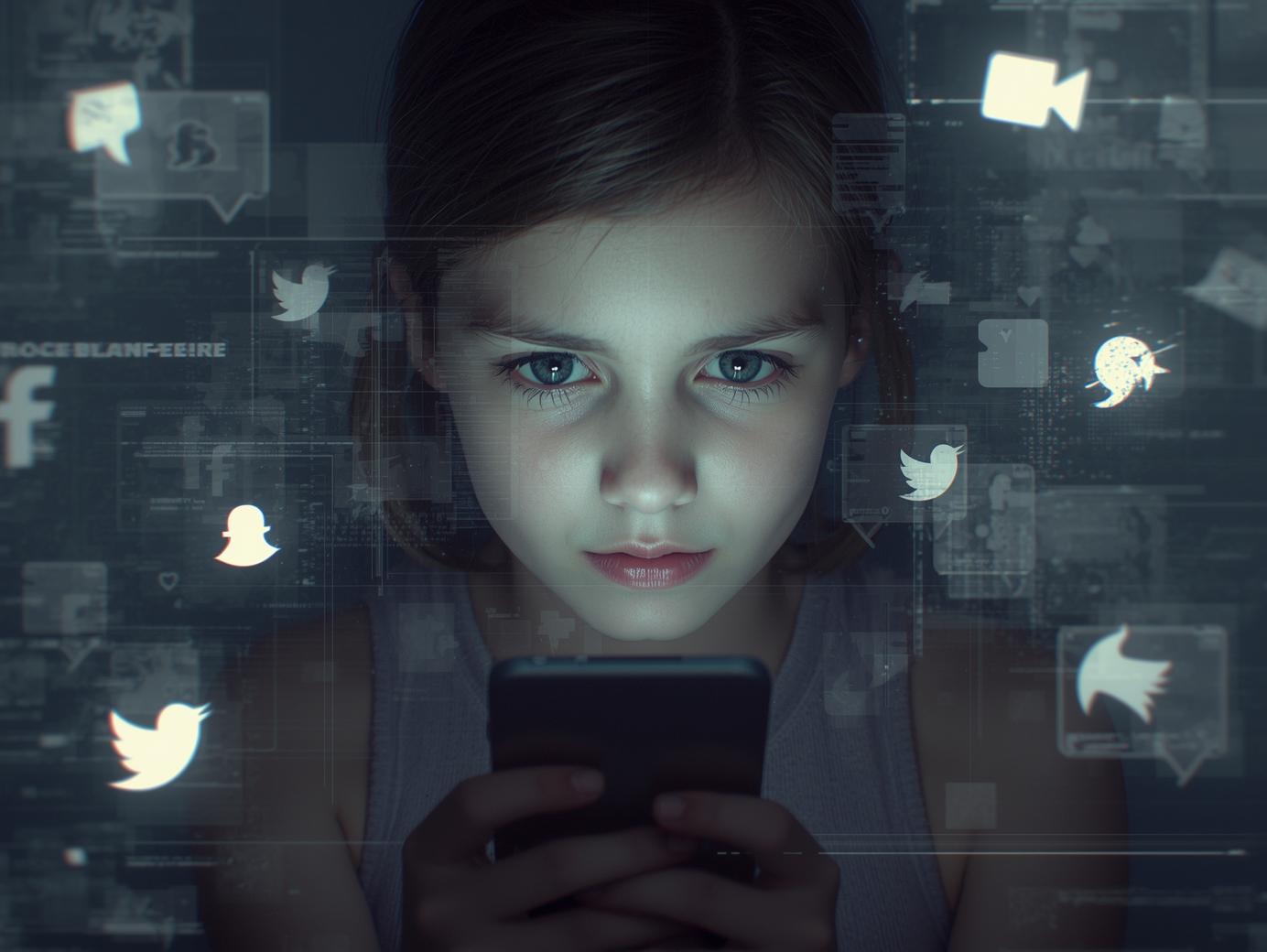
Teen girl looking at phone with social media icons and comparison thoughts
AI generated images
Social media serves as a medium for people to connect from all over the world, allowing them to discuss daily trending topics. You can make friends online with individuals from any corner of the globe. Additionally, it acts as a platform for self-expression for many. People come online to share their thoughts on pressing issues that deserve more attention. Many inspirational creators motivate and uplift their viewers through positive content. Sometimes, we all need a little reassurance when we feel uncertain about ourselves. Online, people share ideas on various topics, such as cooking, literature, lifestyle, or academics, seeking inspiration. Personally, the inspiration I receive for art and books is unmatched.
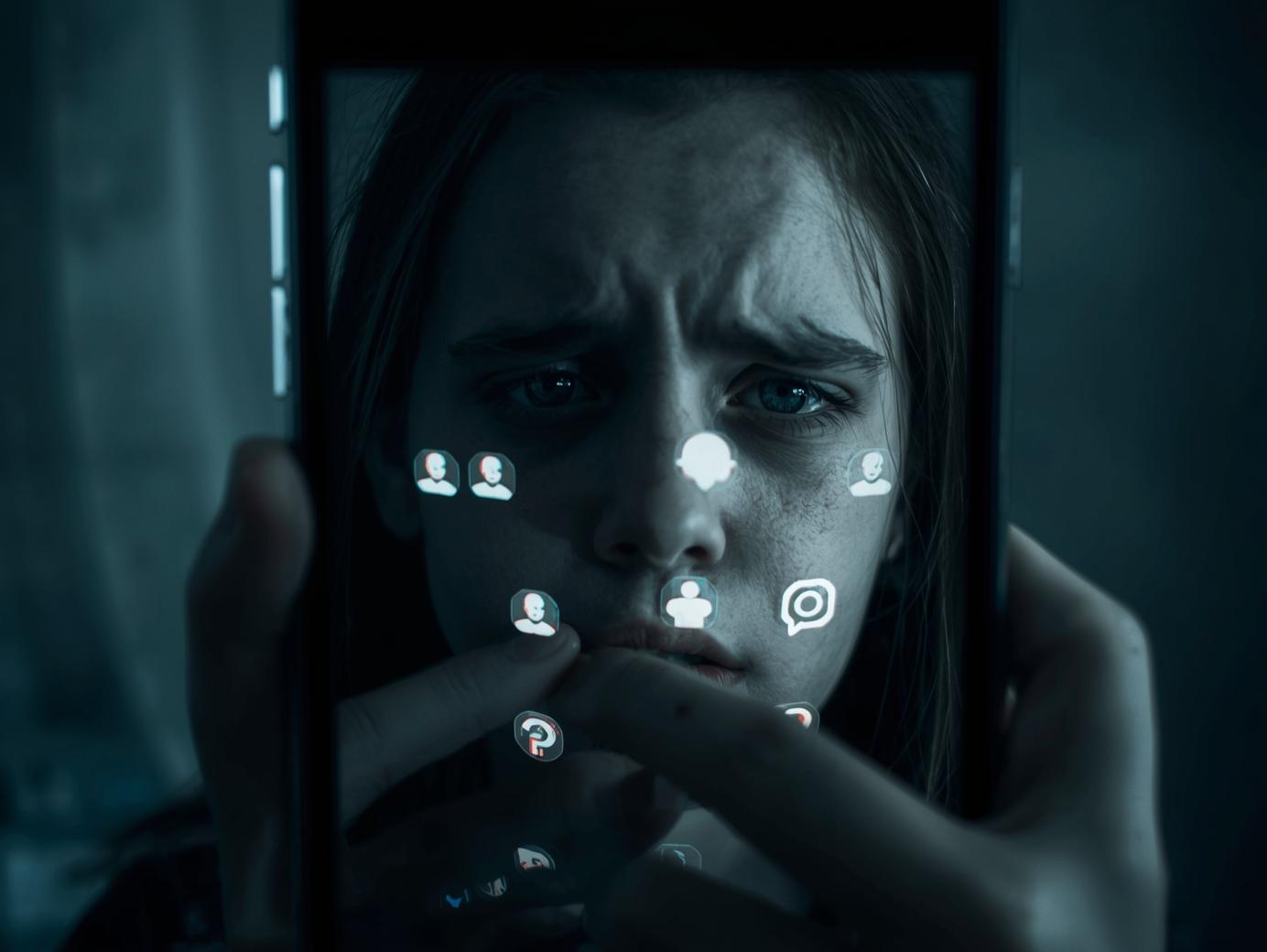
Teen girl looking at phone with social media icons and comparison thoughts
AI generated images
Social media offers us so much, doesn’t it? Yet, it is often labelled a villain. Why is that? The truth is that it is a “disguised villain.” People frequently ignore the negative aspects that social media brings along with its many benefits. Regardless of how many positives I may list, the negative elements continue to impact our generation. On social media, a variety of people come together; however, the so-called ‘cool’ and ‘aesthetic’ individuals often dominate this space. These creators set trends and hype up things that are often excessively priced and not worth the investment. Viewers, in an attempt to fit in, waste both time and money following these trends. When one of their trends gains traction, it fosters a culture of comparison among teens. This encourages a toxic attitude towards those who don’t conform to these so-called ‘standards.’ The comparison culture can lead teens to do things they might not want to do simply because of peer pressure.
Teen girl looking at phone with social media icons and comparison thoughts
AI generated images
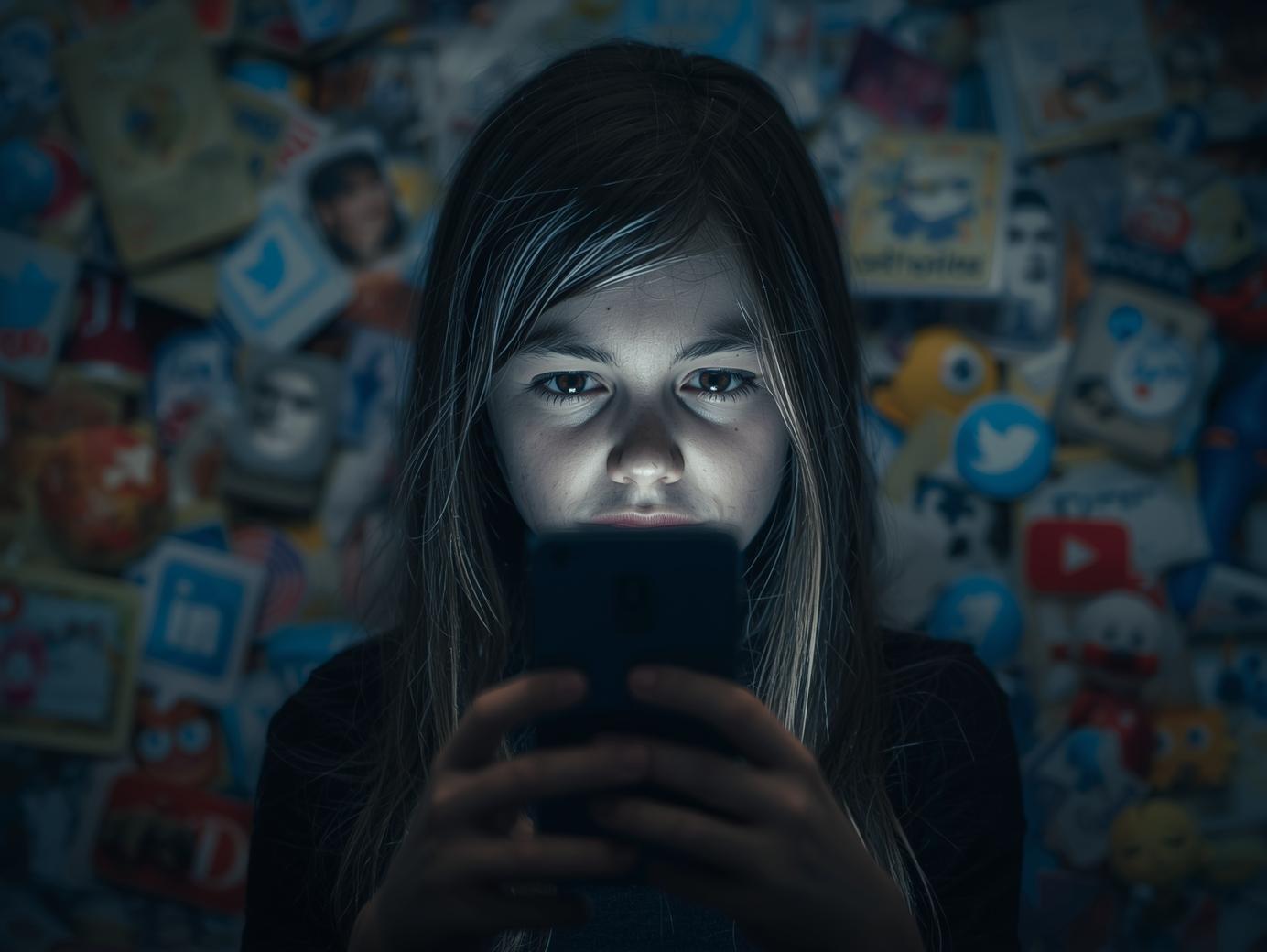
This culture of comparison extends beyond mere comparisons with people online. Many viewers our age grapple with FOMO (fear of missing out), which can be difficult to cope with. The obsession with following every trend we see on the internet can become quite unhealthy for those who are self-conscious. They often overlook the fact that what they see online isn’t always readily accessible to them.
Social media creators
AI generated images
In my opinion, the primary issue with the internet is the unrealistic portrayal of life. This refers to the lives showcased on reels, which appear filled with luxuries and minimal effort, contrasting sharply with reality. This creates a false sense of hope among viewers, offering a distorted perspective on life. People strive to achieve a lifestyle portrayed on social media, unaware that life isn’t as easy as it may seem. Influencers can make a life of luxury look effortlessly attainable, but the truth lies in the hard work we must put into shaping our futures. You might hate me for saying this, but it’s true: you’ve probably seen videos online that make you wonder about the success that comes from uploading content on social media. You might focus on what brands they wear, what luxurious items they possess, and how easy their lives seem. Let me make this clear: not everything you see is what it appears to be. Creating and uploading content to monetise it is not as simple as it looks. Exceptions only exist if you have extraordinary content paired with an appropriate budget. Social media simply ignites a spark of unnecessary ‘wants’ that it presents in such an enticing way that it can be almost impossible to resist. Everything requires skill and potential— even making reels on Instagram or spotlights on Snapchat necessitates specific skills in creative expression through performing arts. In fact, today’s reels are just an evolved form of traditional dance and theatre, presented with a modern twist.
Teen girl looking at phone with social media icons and comparison thoughts
AI generated images
To avoid making this chapter sound like a typical lecture, I want to emphasize that while social media offers many opportunities for connection, inspiration, and self-expression, it’s important to approach it with a critical mindset. The polished images and carefully curated lives we often see can create unrealistic standards and lead to unhealthy comparisons. It’s crucial to remember that what is showcased online may not reflect reality. Protecting our mental health should always come first. By prioritizing our well-being, setting boundaries, and fostering a sense of self-worth that isn’t reliant on external validation, we can navigate the digital landscape more effectively. Balance is key; appreciate the positive aspects of social media while staying grounded in your uniqueness and self-acceptance. Ultimately, asserting your worth and taking care of your mental health will lead to a more fulfilling and authentic life.

Sreeleela Becomes a Doctor While Conquering Cinema

Sreeleela has earned her medical degree
Photo courtesy: x/RanjanK7294Sreeleela

Actress Sreeleela has officially earned her medical degree after successfully balancing a demanding film career with six years of rigorous medical studies, and her achievement is now trending widely across India. Known for her growing presence in the film industry, the young actress has added “doctor” to her list of accomplishments, surprising many fans who were unaware that she was simultaneously pursuing a professional degree in medicine while actively working in cinema. Videos and images from her graduation ceremony have gone viral on social media platforms, where she is seen celebrating the milestone in academic attire, receiving praise from fans, industry colleagues, and students alike. Medical education in India is widely recognized as one of the most challenging academic paths, requiring years of theoretical study, practical training, hospital internships, clinical rotations, and intensive examinations. Completing such a course demands discipline, consistency, and mental resilience.

 
View this post on Instagram

 

A post shared by SREELEELA (@sreeleela14)

Balancing this with film shoots, promotional events, travel schedules, and public appearances makes the accomplishment even more significant. Acting as a full-time profession involves unpredictable working hours, physically exhausting schedules, and constant public scrutiny, yet Sreeleela managed to continue her academic journey alongside her cinematic commitments. Her achievement stands out in an entertainment landscape often associated primarily with glamour, brand endorsements, and commercial success.
 
View this post on Instagram

 

A post shared by SREELEELA (@sreeleela14)

In recent years, social media culture has amplified the perception of overnight fame and instant success, especially among young audiences who closely follow celebrity lifestyles and influencer trends. Against that backdrop, Sreeleela’s graduation represents a narrative centered on long-term commitment rather than short-term visibility. Education in the medical field requires not only academic intelligence but also emotional strength, as students must train in real hospital environments and handle real-life responsibilities. Completing such training while being an active public figure adds another layer of complexity.
 
View this post on Instagram

 

A post shared by SREELEELA (@sreeleela14)

Her story has sparked discussions online about the importance of higher education, career security, and multidimensional growth, particularly for young women aspiring to enter creative industries. The reaction across digital platforms has been largely celebratory, with many users describing her as disciplined, inspiring, and grounded. Rather than trending for a film release, fashion appearance, or endorsement deal, she is trending for an academic milestone, which reflects a shift in public appreciation toward educational achievements.
 
View this post on Instagram

 

A post shared by SREELEELA (@sreeleela14)

Her journey also highlights the broader trend of Indian women excelling in multiple professional spaces simultaneously, from sports and science to business and entertainment. In industries like cinema, where careers can be unpredictable and dependent on audience reception, having formal qualifications provides stability and alternative career options. This dual achievement demonstrates that pursuing artistic passion does not require abandoning academic ambitions. It also challenges the stereotype that careers in entertainment are incompatible with serious academic pursuits. Reports suggest that she managed her study schedules alongside shooting commitments, demonstrating time management skills and long-term planning. Medical training typically spans several years, involving foundational science subjects in the early phase, followed by clinical specialization and supervised hospital practice. Successfully completing this while maintaining visibility in the competitive film industry required sustained effort rather than short bursts of preparation.
 
View this post on Instagram
 

A post shared by SREELEELA (@sreeleela14)

Her graduation has also inspired conversations among students who struggle to balance academics with extracurricular or professional interests, showing that structured discipline can make parallel pursuits possible. For young audiences who often compare themselves to curated social media portrayals of celebrity lifestyles, this milestone offers a reminder that achievements usually involve unseen preparation and persistence. The viral graduation visuals reinforce that behind public glamour there can be years of focused academic effort. Industry observers note that this accomplishment may positively influence how young actors approach education in the future, encouraging them to maintain academic continuity even after entering professional fields.
 
View this post on Instagram
 

A post shared by SREELEELA (@sreeleela14)

The news has also resonated with parents and educators, who view it as an example of balanced ambition. In the broader context of women’s achievements in India, Sreeleela’s qualification contributes to an ongoing narrative of women redefining professional boundaries and excelling in more than one domain. Her medical degree does not replace her acting career but strengthens her overall professional identity. It demonstrates that creative talent and academic excellence are not mutually exclusive. As discussions continue online, the central takeaway remains consistent: sustained hard work, long-term planning, and educational commitment can coexist with public success. The milestone serves as a reminder that professional growth can be multidimensional and that structured education continues to hold value even in fast-moving digital and entertainment-driven environments.

Single on Valentine’s?

Woman enjoying self-care and celebrating self-love on Valentine’s Day

Valentine’s Day often focuses on couples, but it’s also a beautiful opportunity to celebrate self-love. Being single doesn’t mean being alone—it means having the freedom to honor personal growth, happiness, and independence.

1. Start the Day with Gratitude

Begin the day by listing three things to be grateful for. Gratitude shifts focus from what’s missing to what’s thriving, setting a positive tone for the day.

2. Treat Yourself

Buy flowers, enjoy a favorite meal, or indulge in a spa day. Self-care isn’t selfish—it’s a reminder that personal well-being matters.

3. Do Something You Love

Spend time doing something that brings joy—painting, hiking, reading, or exploring a new café. Valentine’s Day can be a celebration of passions and hobbies.

4. Write a Love Letter to Yourself

Reflect on achievements, strengths, and dreams. Writing a love letter to oneself reinforces self-worth and appreciation.

5. Connect with Loved Ones

Celebrate friendship and family bonds. Host a “Galentine’s” dinner or virtual hangout to share laughter and love.

6. Set New Intentions

Use the day to set intentions for personal growth. Focus on goals that nurture happiness, confidence, and self-fulfillment.

7. End the Day with Reflection

Wind down with meditation or journaling. Reflect on the day’s moments of joy and gratitude, reinforcing a mindset of self-love.

Valentine’s Day isn’t just about romantic love—it’s about celebrating love in all its forms, especially the one that starts within.

Parineeti Chopra Turns Heads in First Post-Baby Appearance

Parineeti Chopra in a bright pink saree during her first public appearance as a new mom
instagram/parineetichopra
Parineeti Chopra is back in the spotlight — and this time, it’s not just for a film release. The actress is trending on Google across India after making her first major public appearance since embracing motherhood. Dressed in a stunning bright pink saree, Parineeti’s graceful and confident look quickly caught fans’ attention, with photos and videos spreading rapidly across social media. Her stylish return has sparked widespread curiosity, leading people to search for details about her new life as a mom, her fashion statement, and what exciting projects she has lined up next. After welcoming her son Neer with husband Raghav Chadha in October 2025, Parineeti made headlines on February 11, 2026, when she stepped out in a gorgeous bright pink saree — her first major public outing since becoming a mother.
 
View this post on Instagram
 

A post shared by Parineeti Chopra (@parineetichopra)

The outfit quickly became a talking point online as the actress paired the vibrant ensemble with minimal accessories and fresh, subtle makeup. Sharing photos and captions on Instagram, Parineeti joked that “If Mamma has to step out the house for 2 hours, it had better be in a saree,” reflecting her playful and confident spirit. Fans loved seeing Parineeti’s radiant look and joyful post-baby energy, and that positive vibe translated into viral buzz and search spikes on Google — especially as many were curious to know more about her life as a new mom and her fashion moment. This combination of celebrity charm, relatable personal life, and gratitude toward fans has made her one of the most Googled personalities in India today.