

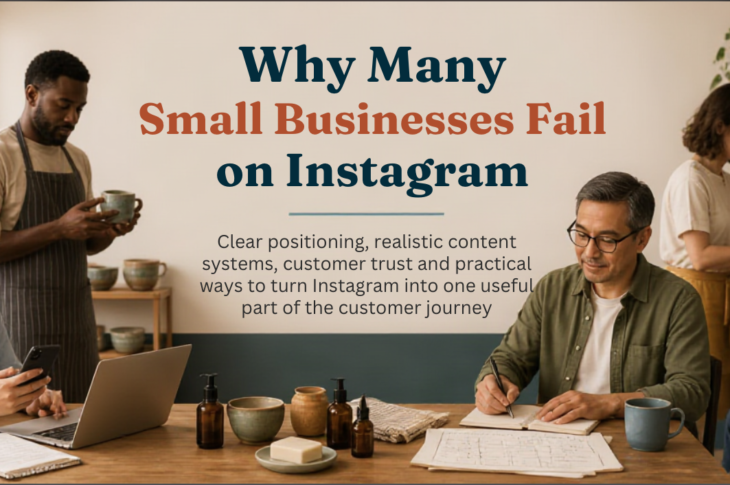
सुबह की चाय के साथ एक महिला अपने छोटे होम–बेस्ड बिजनेस का नया पोस्ट डालती है। कभी वह product photos शेयर करती है, कभी random reels और hashtags आजमाती है, और कभी कई दिनों तक कुछ पोस्ट नहीं कर पाती। Personal और business content के बीच संतुलन भी साफ नहीं है। DMs में inquiries आती हैं, लेकिन pricing, follow-up और booking process तय न होने से कई बातचीत वहीं रुक जाती हैं। बड़े accounts देखकर उसे लगने लगता है कि शायद वह business चलाने के लायक नहीं है।लेकिन समस्या उसकी क्षमता नहीं, बल्कि unclear positioning, missing systems, inconsistent capacity, weak boundaries या Instagram को पूरा business समझ लेने की हो सकती है। “महिलाएं गलतियां करती हैं” को किसी inherent कमी या personality flaw की तरह देखना गलत होगा। ये common business और marketing mistakes हैं, जो परिस्थितियों से बढ़ सकती हैं।
Instagram पर business चलाना महिलाओं के लिए अलग तरह से challenging क्यों हो सकता है?
कई women entrepreneurs production, sales, customer care, finance, content और household या care work एक साथ संभालती हैं। Time poverty और inconsistent availability personal failure नहीं हैं। Capital, credit, childcare, mentorship, technology, language और professional networks तक unequal access भी growth को प्रभावित कर सकते हैं।Online harassment, unwanted DMs, doxxing, image misuse और safety concerns के कारण boundaries की जरूरत और बढ़ जाती है। किसी को customer, caregiver, founder और marketer की भूमिका एक साथ निभानी पड़ सकती है। इसलिए अपने real time, money, health और care capacity के अनुसार business model बनाना कमजोरी नहीं, strength है।
|
मुख्य विचार: Instagram discovery, trust, communication और customer journey का एक हिस्सा है—पूरा business नहीं। हर trend chase करना या रोज़ online रहना जरूरी नहीं; clarity, respectful systems और sustainable growth ज्यादा महत्वपूर्ण हैं। |
गलती 1: Clear audience और business goal तय न करना
- अपने आप से पूछें: मैं किस primary audience की मदद करती हूं?
- उनकी problem, desire या job-to-be-done क्या है?
- Instagram से अभी कौन–सा action चाहिए—DM inquiry, booking, store visit, consultation, email sign-up, purchase, referral या awareness?
- Positioning sentence लिखें: “मैं ___ लोगों को ___ हासिल करने में ___ तरीके से मदद करती हूं।”
- Audience को इतना narrow न करें कि business अनावश्यक रूप से exclude हो जाए; बस एक useful primary audience चुनें।
- Business goal और content goal अलग होते हैं। उदाहरण के लिए business goal consultation bookings हो सकता है, जबकि content goal किसी common question का जवाब देना। Likes और followers केवल vanity metrics हैं; उन्हें अकेले सफलता न मानें।
गलती 2: Profile को customer journey की शुरुआत न बनाना
- Profile को सुंदर gallery नहीं, quick orientation page समझें।
- Name, offer, audience, location या service area जब relevant हो, differentiator, contact path, working hours, accessibility information और next step साफ रखें।
- Pinned posts या highlights में “शुरुआत कैसे करें”, FAQs, pricing approach, process, proof और policies रखें—लेकिन केवल वही facts लिखें जो आपके business में सच हैं।
- Website, phone number, address या price अनुमान से न जोड़ें।
गलती 3: केवल product बेचने की कोशिश करना, customer problem न समझाना
- Product photo जरूरी हो सकती है, लेकिन customer जानना चाहता है कि यह उसके लिए क्यों उपयोगी है।
- Customer problem, use case, education, FAQ, process, care instructions, comparison, founder perspective, realistic proof और honest limitations दिखाएं।
- हर post को hard sell बनाने की जरूरत नहीं। Clear offer के साथ low-pressure CTA रखें, जैसे “अपना सवाल भेजें” या “details पढ़ें।”
- Local business accurate availability, ordering, delivery या pickup, service boundaries और accessibility details भी बताए।
गलती 4: Trends और competitors की copy करना
- Trend एक optional format है, strategy नहीं।
- तभी उपयोग करें जब वह audience, offer, resources और आपकी voice से fit हो।
- अपने recurring formats बनाएं: helpful tip, customer question, behind-the-scenes, proof या process, और offer या invitation
- Competitor के captions, designs, images या identity copy न करें। Original, licensed या permission-based assets इस्तेमाल करें।
- आपका point of view किसी viral format से अधिक टिकाऊ पहचान बना सकता है।
गलती 5: Capacity से बड़ा content plan बनाना
- Consistency का अर्थ daily posting नहीं, repeatable promise है।
- अपनी capacity के अनुसार minimum viable plan बनाएं: एक useful post, एक process या proof update और कभी–कभी एक clear offer।
- यह universal frequency नहीं, केवल planning का उदाहरण है।Batch content बनाएं, question bank रखें और reusable formats तैयार करें।
- Packing, preparation, research, designing, serving या testing जैसे normal work से privacy का ध्यान रखते हुए content capture किया जा सकता है।
- Customer service, product quality, fulfilment, rest और family responsibilities को content के लिए sacrifice न करें। Calendar में launches, busy periods, rest और caregiving के लिए buffer रखें।
|
याद रखें: Quiet posting phase आपकी worth का verdict नहीं है। पहले अपनी वास्तविक capacity तय करें, फिर ऐसा content rhythm चुनें जिसे आप बिना burnout के दोहरा सकें। |
गलती 6: Likes और followers को business success समझना
- Likes और followers context दे सकते हैं, लेकिन fit, profit या repeat business साबित नहीं करते।
- Saves, shares, replies, profile visits, qualified inquiries, bookings, sign-ups, repeat customers, store visits, conversion और feedback जैसे signals देखें।
- एक simple tracking sheet या note रखें: topic, format, goal, CTA, response और next test।
- एक post से निष्कर्ष न निकालें।
- Platform features और reach बदल सकते हैं, इसलिए learning को किसी algorithm guarantee की तरह न लें।
गलती 7: Pricing, boundaries और policies स्पष्ट न रखना
- Price छिपाने, हर customer को custom discount देने, unpaid “quick work”, unlimited revisions, late-night replies और vague delivery expectations से burnout और confusion बढ़ सकता है।
- अपनी लागत, समय और market context के अनुसार pricing तय करें।
- Pricing, deposit, turnaround, revisions, cancellation, refund, delivery, response hours और scope को सरल भाषा में लिखें।
- Exact rates तभी बताएं जब वे आपके business में तय हों।
- Boundary scripts मदद कर सकती हैं: “इस काम का scope ___ है; अतिरिक्त बदलाव के लिए अलग समय और शुल्क लागू होगा।”
- “मैं messages का जवाब ___ समय के बीच देती हूं।”
- “Booking confirm करने के लिए मेरी policy के अनुसार ___ आवश्यक है।”
- Polite होने के नाम पर endless availability स्वीकार करना जरूरी नहीं।
गलती 8: DMs, leads और follow-up का system न बनाना
- Inquiry आने पर basic response template, qualifying questions, next step, follow-up timing और record-keeping system तय करें।
- हर DM को immediate sale न समझें; कुछ लोग information, comparison या future purchase के लिए आते हैं।
- Respectful follow-up करें, spam नहीं।
- Sensitive data public comments में न लें।
- Payment या personal documents के लिए secure और appropriate channel उपयोग करें।
गलती 9: Trust, accessibility और privacy को ignore करना
- Accurate claims, clear policies, real process, permission-based testimonials और honest limitations भरोसा बनाते हैं।
- Captions, readable contrast, descriptive text और slower visuals रखें; critical information केवल image में न छिपाएं।
- Customer images, children, homes, health information और private messages share करने से पहले consent लें।
- Harassment या unsafe interaction पर block, restrict, report और support options का उपयोग करें—बिना victim-blaming के।
गलती 10: Instagram को पूरा business समझ लेना
- Instagram discovery और relationship का channel है, complete business infrastructure नहीं।
- Business type के अनुसार website, email list, booking system, store information, secure customer records या alternate contact path रखें।
- Essential content और customer information का secure backup रखें। Algorithm या account access पर पूरी निर्भरता न बनाएं।
- Instagram आपकी पहचान का एक tool है, आपकी पूरी livelihood या worth नहीं।
एक सरल Instagram customer journey
|
चरण |
Customer को क्या चाहिए |
आपका काम |
|
1. Discovery |
Relevant या useful content |
सही problem और audience तक पहुंचना |
|
2. Understanding |
Offer की स्पष्ट जानकारी |
Profile और pinned content व्यवस्थित रखना |
|
3. Trust |
Process, proof और honest expectations |
सवालों के जवाब और transparent policies देना |
|
4. Action |
आसान next step |
Inquiry, booking, visit, sign-up या purchase path देना |
|
5. Experience |
Promise के अनुसार delivery |
समय, scope और quality निभाना |
|
6. Relationship |
Care और follow-up |
Repeat purchase, referral या community connection बनाना |
Low-budget content और sales system
तीन content pillars चुनें:
Teach, यानी customer को कुछ उपयोगी सिखाना;
Show, यानी process या proof दिखाना; और
Invite, यानी offer या next step बताना।
इन्हें अपने business के अनुसार बदल सकती हैं।
Customer conversations, objections, FAQs और support messages से question bank बनाएं।
Existing work में content capture करें—packing, preparation, research, designing, serving, testing या delivery—लेकिन private information और customer identity सुरक्षित रखें।
Weekly workflow इतना ही हो सकता है: एक useful answer, एक process या proof story और एक clear offer, केवल जब यह sustainable हो।
CTA के उदाहरण हैं: “अपना सवाल भेजें”, “बुकिंग details देखें”, “save करें”, “visit करें”, “comparison पढ़ें” और “consultation के लिए inquiry करें।”
अलग business types के लिए content ideas
- Product business — choosing guide, use या care tips, FAQ, making या packing, honest limitations और consent के साथ customer use case।
- Service business — किसके लिए है, process, preparation, timelines, boundaries, FAQs और private details हटाकर case example।
- Local shop — location या service area, hours, accessibility, seasonal stock, ordering या pickup और community connection।
- Freelancer, coach या creator — sample work, method, perspective, project boundaries, collaboration process, useful education और inquiry path।
- Home-based business — realistic production process, order windows, delivery limits, safety, privacy और capacity-aware availability।
Do और Don’t: sustainable growth के लिए छोटे नियम
- Don’t: अपनी gender identity या personality को समस्या मानें।
- Do: system, clarity और support gap पहचानें।
- Don’t: हर trend copy करें।
- Do: recurring formats और अपना point of view बनाएं।
- Don’t: likes को revenue समझें।
- Do: qualified inquiries और customer actions track करें।
- Don’t: हर message का तुरंत जवाब देने का pressure लें।
- Do: response hours और templates तय करें।
- Don’t: unpaid labour और unlimited revisions को politeness समझें।
- Do: scope और pricing स्पष्ट करें।
- Don’t: customer privacy sacrifice करें।
- Do: consent और secure channels अपनाएं।
- Don’t: Instagram पर पूरी निर्भरता रखें।
- Do: alternate customer path बनाएं।
- Don’t: quiet post को personal failure समझें।
- Do: उसे learning signal की तरह review करें।
7-day Instagram business reset
यह guaranteed reach या sales formula नहीं, बल्कि flexible business experiment है। इसे अपनी capacity और responsibilities के अनुसार बदलें।
- Day 1: Primary audience, business goal और positioning sentence लिखें।
- Day 2: Profile, bio, contact path, pinned posts और highlights review करें; केवल accurate information update करें।
- Day 3: दस customer questions, objections और needs लिखें।
- Day 4: एक question से useful post और दूसरा content idea बनाएं।
- Day 5: Pricing, response hours, scope और inquiry process की एक boundary तय करें।
- Day 6: Consent, privacy और accessibility check के साथ एक process या proof post बनाएं।
- Day 7: Useful signals, inquiries, workload और next experiment review करें। जो sustainable है रखें, जो drain करता है उसे बदलें।
आज से शुरू करने के 5 छोटे कदम
- Bio को इस तरह rewrite करें कि suitable customer offer और next step समझ सके।
- पांच real customer questions लिखें।
- एक clear boundary publicly या inquiry process में जोड़ें।
- एक useful post बनाएं जो customer problem का उत्तर दे।
- Instagram के बाहर एक reliable customer information या contact channel तय करें।
Mini checklist
- क्या मुझे primary audience और उनका problem स्पष्ट है?
- क्या profile offer, location या service area और next step बताती है?
- क्या content केवल product photos नहीं, usefulness और trust भी दिखाता है?
- क्या posting plan मेरी actual time, money, health और caregiving capacity के अनुसार है?
- क्या pricing, scope, response hours और policies clear हैं?
- क्या DMs और follow-up के लिए respectful system है?
- क्या मैं likes के साथ inquiries, bookings, saves, feedback या repeat customers भी देखती हूं?
- क्या images, testimonials और customer details consent-based हैं?
- क्या content accessible और readable है?
- क्या harassment, privacy और safety के लिए boundaries हैं?
- क्या मेरे पास Instagram के बाहर reliable customer path और backup है?
- अगला एक test क्या होगा, और मैं उससे क्या सीखना चाहती हूं?
गलती से सीखना ही असली growth है
Instagram पर business चलाते समय गलती होना महिलाओं की क्षमता की कमी का प्रमाण नहीं है। कई बार वे एक साथ founder, caregiver, marketer, seller, accountant और support system बनी होती हैं।
समस्या अक्सर clarity, time, capital, access, boundaries या systems की होती है—व्यक्ति की worth की नहीं।
Start smaller: audience और offer स्पष्ट करें, profile को customer journey का entry point बनाएं, real questions का जवाब दें, capacity के अनुसार content rhythm रखें, pricing और boundaries तय करें, privacy और accessibility protect करें और useful signals से सीखें।
Instagram को business का एक tool मानें, पूरी पहचान या पूरी livelihood नहीं।
A quiet post is feedback, not a verdict. Sustainable growth popularity से नहीं, clarity, trust, delivery, learning और repeatable systems से बनती है।
