






Guest Writer – Aaliya Khan
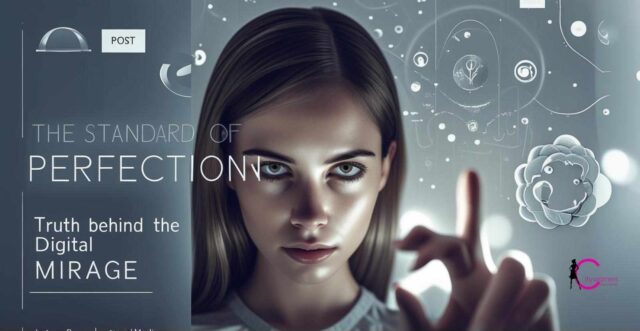
The Standard of Perfection: Navigating the Digital Mirage Let me guess: the first thing you do after returning from school is catch up on your favorite creator’s newly uploaded content. You adore them; for many of you, they are the standard and serve as a role model. According to you, they are the most perfect person to ever step on this planet. Sound familiar? It’s completely normal to admire your favorite creators or idols, just as I have my favorites too. However, some of us often attempt to craft a social image like theirs, forgetting how unique we are in our own ways. This can lead to an unhealthy obsession with trying to become just like them. I know it’s hard to hear, but sometimes, what we see on their social media isn’t quite what it appears to be.
You’ve probably heard the phrase “reel vs. real,” right? We often turn to social media for inspiration and entertainment, but unfortunately, many of us fall into the trap of the unrealistic world that social media creates to draw us in. While social media isn’t inherently bad, it’s essential to understand that, like everything, it has its own set of merits and demerits.
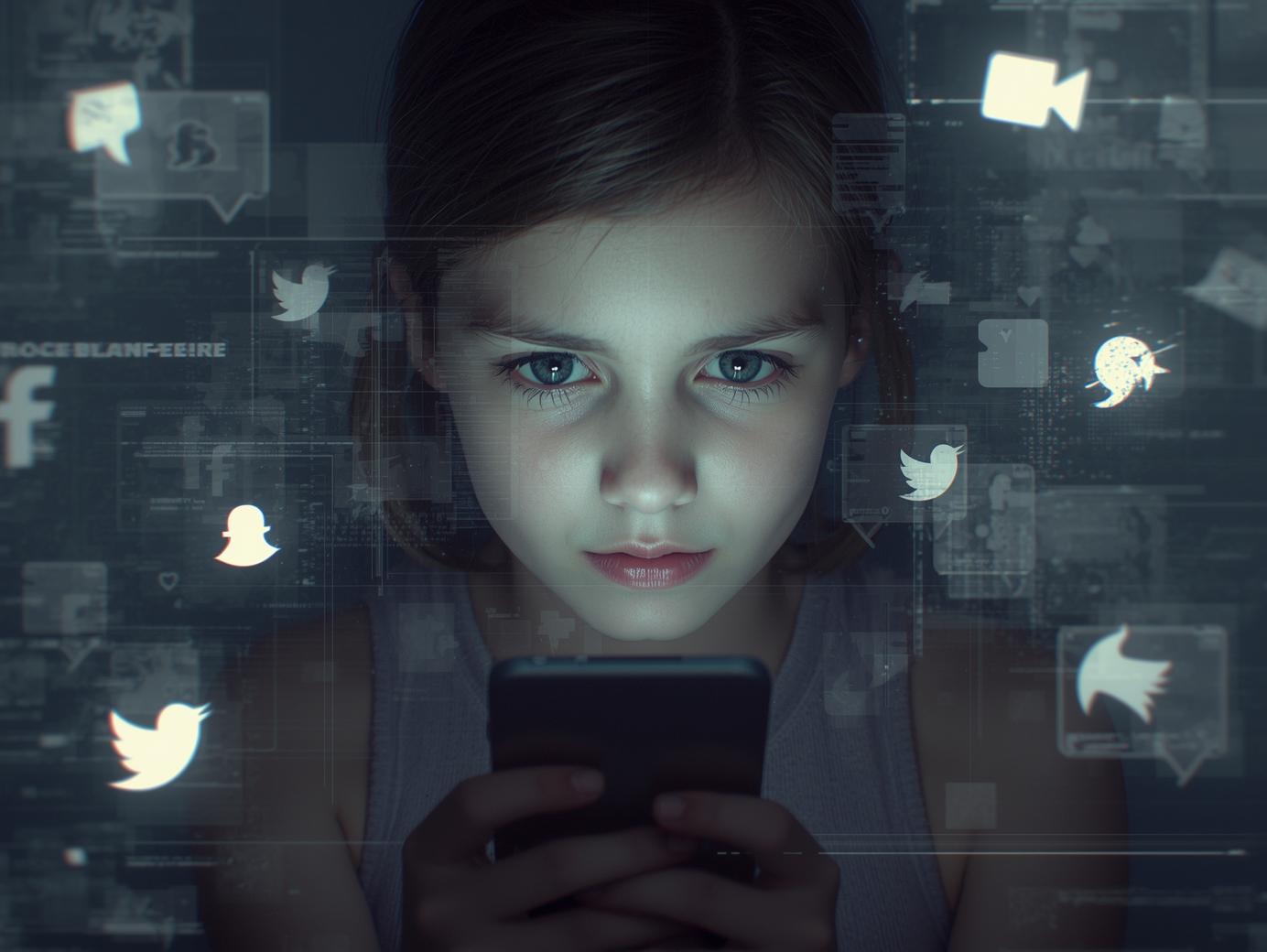
Social media serves as a medium for people to connect from all over the world, allowing them to discuss daily trending topics. You can make friends online with individuals from any corner of the globe. Additionally, it acts as a platform for self-expression for many. People come online to share their thoughts on pressing issues that deserve more attention. Many inspirational creators motivate and uplift their viewers through positive content. Sometimes, we all need a little reassurance when we feel uncertain about ourselves. Online, people share ideas on various topics, such as cooking, literature, lifestyle, or academics, seeking inspiration. Personally, the inspiration I receive for art and books is unmatched.
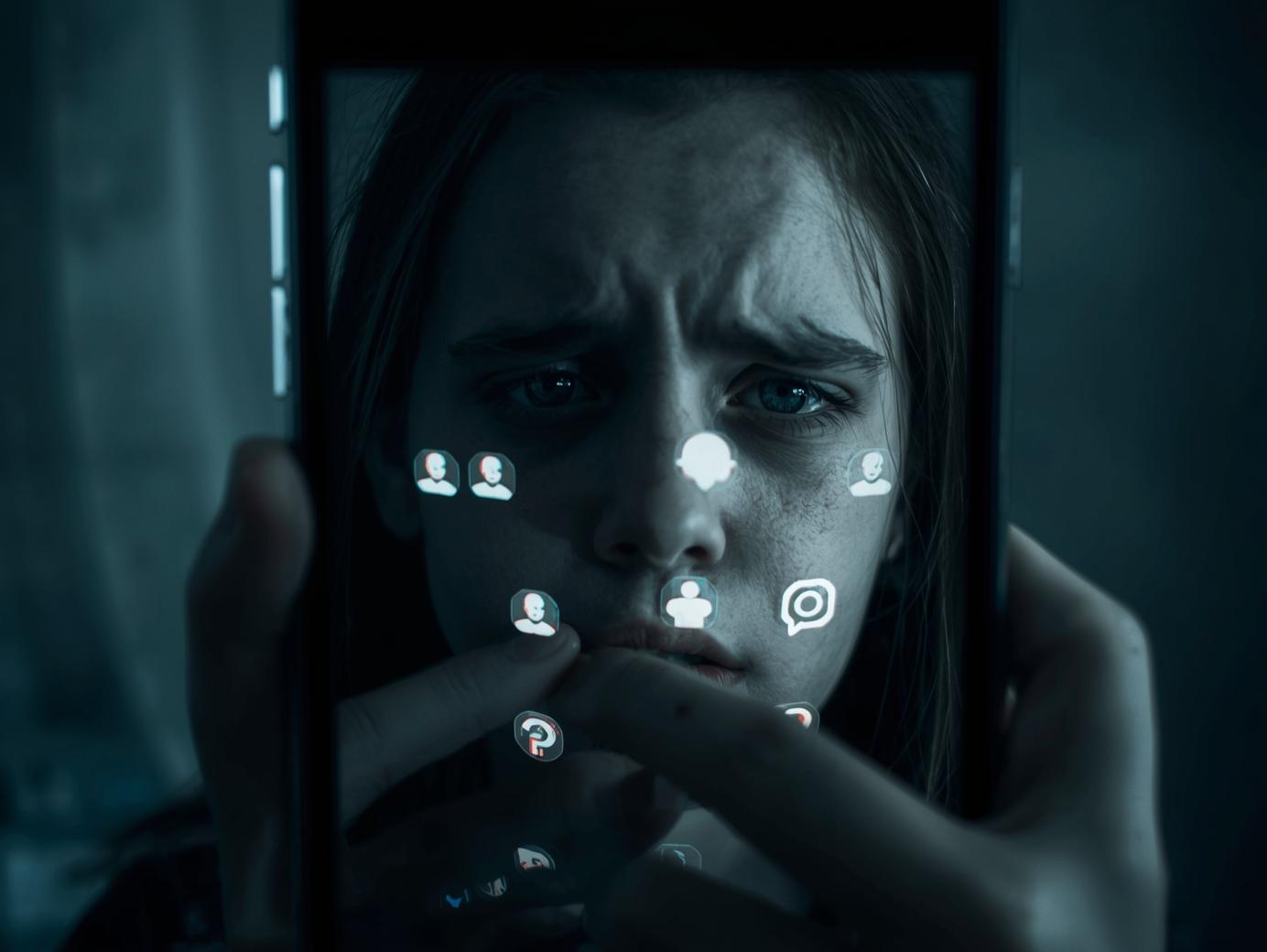
Social media offers us so much, doesn’t it? Yet, it is often labelled a villain. Why is that? The truth is that it is a “disguised villain.” People frequently ignore the negative aspects that social media brings along with its many benefits. Regardless of how many positives I may list, the negative elements continue to impact our generation.
On social media, a variety of people come together; however, the so-called ‘cool’ and ‘aesthetic’ individuals often dominate this space. These creators set trends and hype up things that are often excessively priced and not worth the investment. Viewers, in an attempt to fit in, waste both time and money following these trends. When one of their trends gains traction, it fosters a culture of comparison among teens. This encourages a toxic attitude towards those who don’t conform to these so-called ‘standards.’ The comparison culture can lead teens to do things they might not want to do simply because of peer pressure.
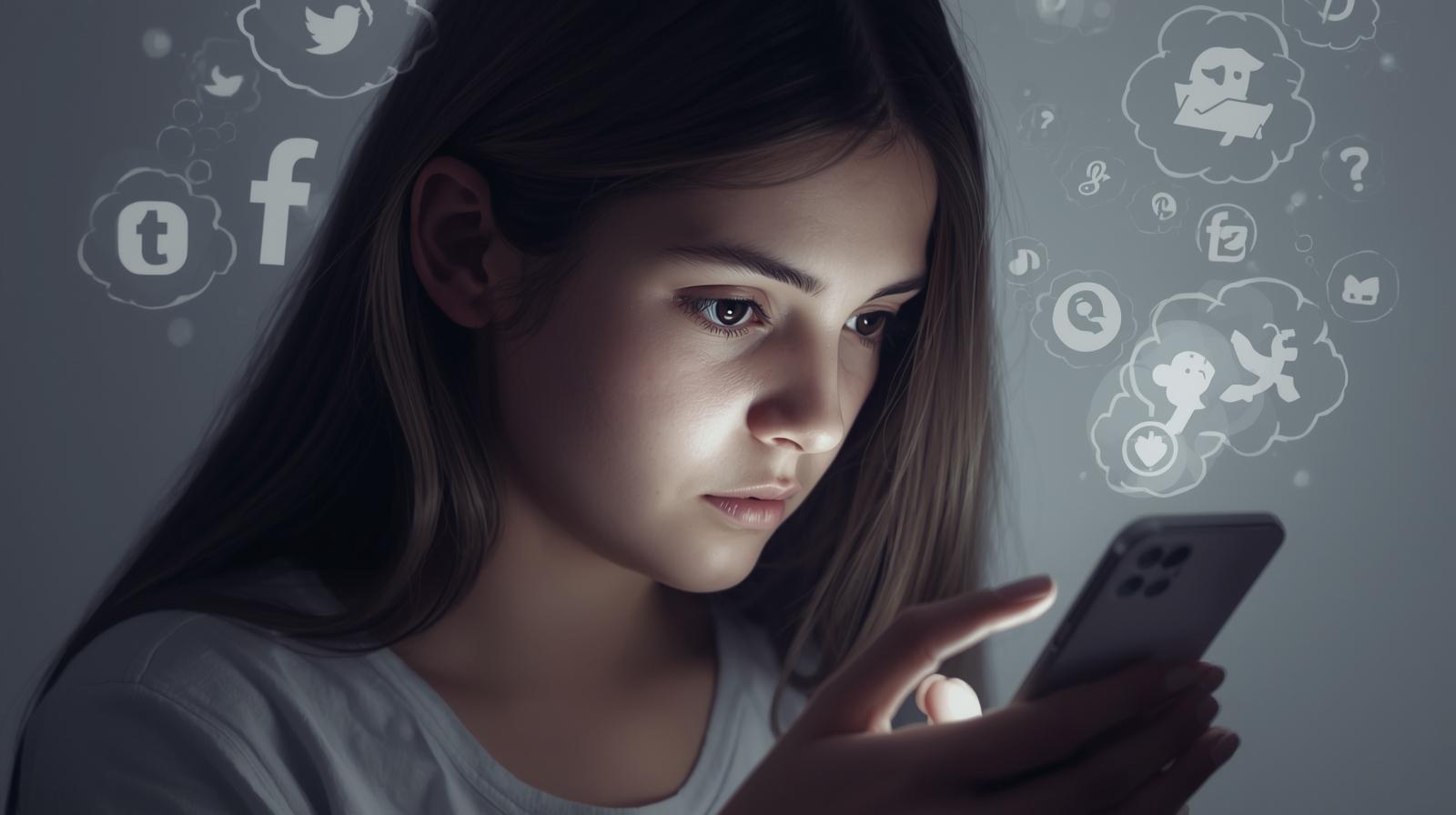
This culture of comparison extends beyond mere comparisons with people online. Many viewers our age grapple with FOMO (fear of missing out), which can be difficult to cope with. The obsession with following every trend we see on the internet can become quite unhealthy for those who are self-conscious. They often overlook the fact that what they see online isn’t always readily accessible to them.

In my opinion, the primary issue with the internet is the unrealistic portrayal of life. This refers to the lives showcased on reels, which appear filled with luxuries and minimal effort, contrasting sharply with reality. This creates a false sense of hope among viewers, offering a distorted perspective on life. People strive to achieve a lifestyle portrayed on social media, unaware that life isn’t as easy as it may seem. Influencers can make a life of luxury look effortlessly attainable, but the truth lies in the hard work we must put into shaping our futures. You might hate me for saying this, but it’s true: you’ve probably seen videos online that make you wonder about the success that comes from uploading content on social media.
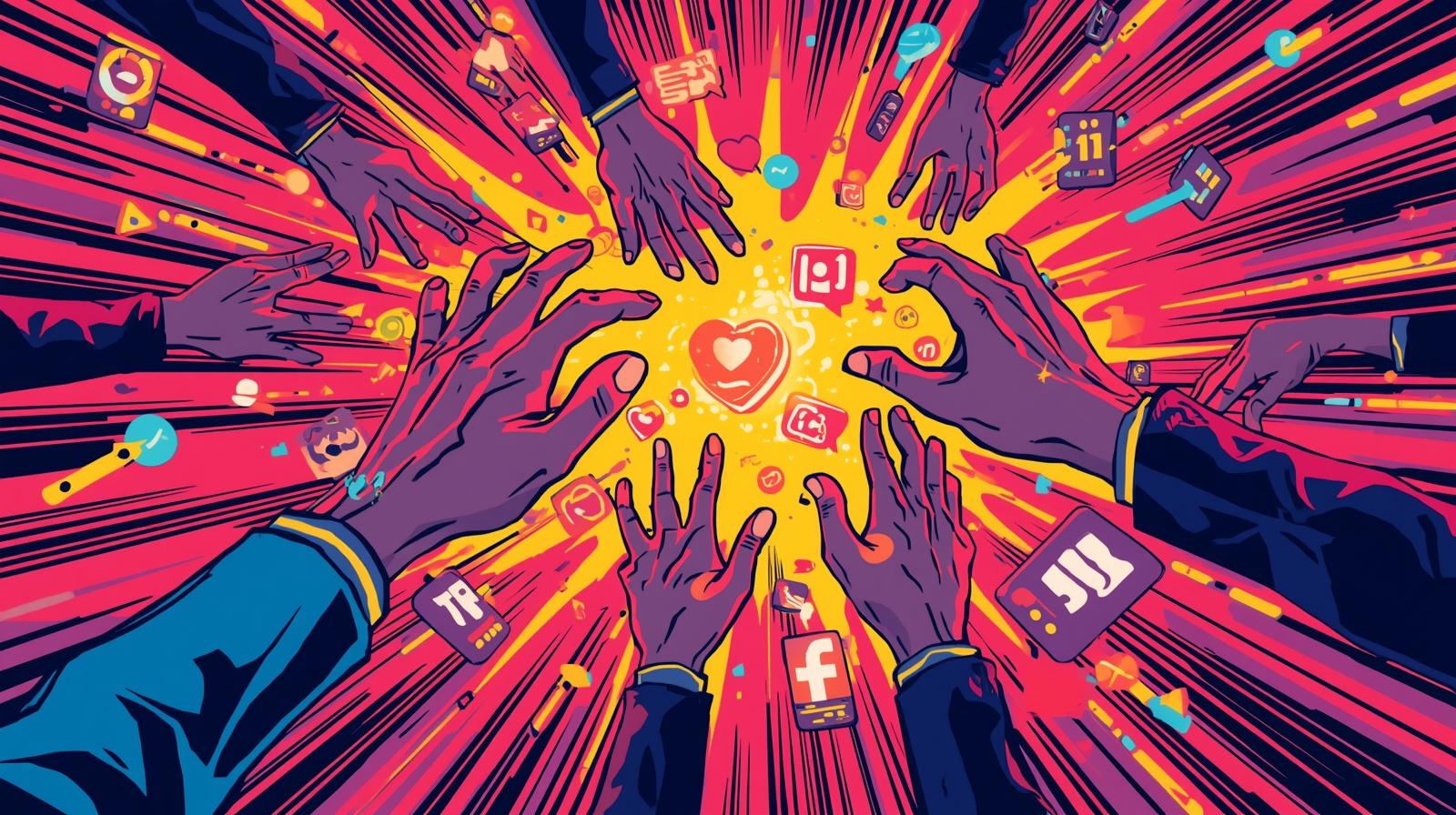 You might focus on what brands they wear, what luxurious items they possess, and how easy their lives seem. Let me make this clear: not everything you see is what it appears to be. Creating and uploading content to monetise it is not as simple as it looks. Exceptions only exist if you have extraordinary content paired with an appropriate budget. Social media simply ignites a spark of unnecessary ‘wants’ that it presents in such an enticing way that it can be almost impossible to resist. Everything requires skill and potential— even making reels on Instagram or spotlights on Snapchat necessitates specific skills in creative expression through performing arts. In fact, today’s reels are just an evolved form of traditional dance and theatre, presented with a modern twist.
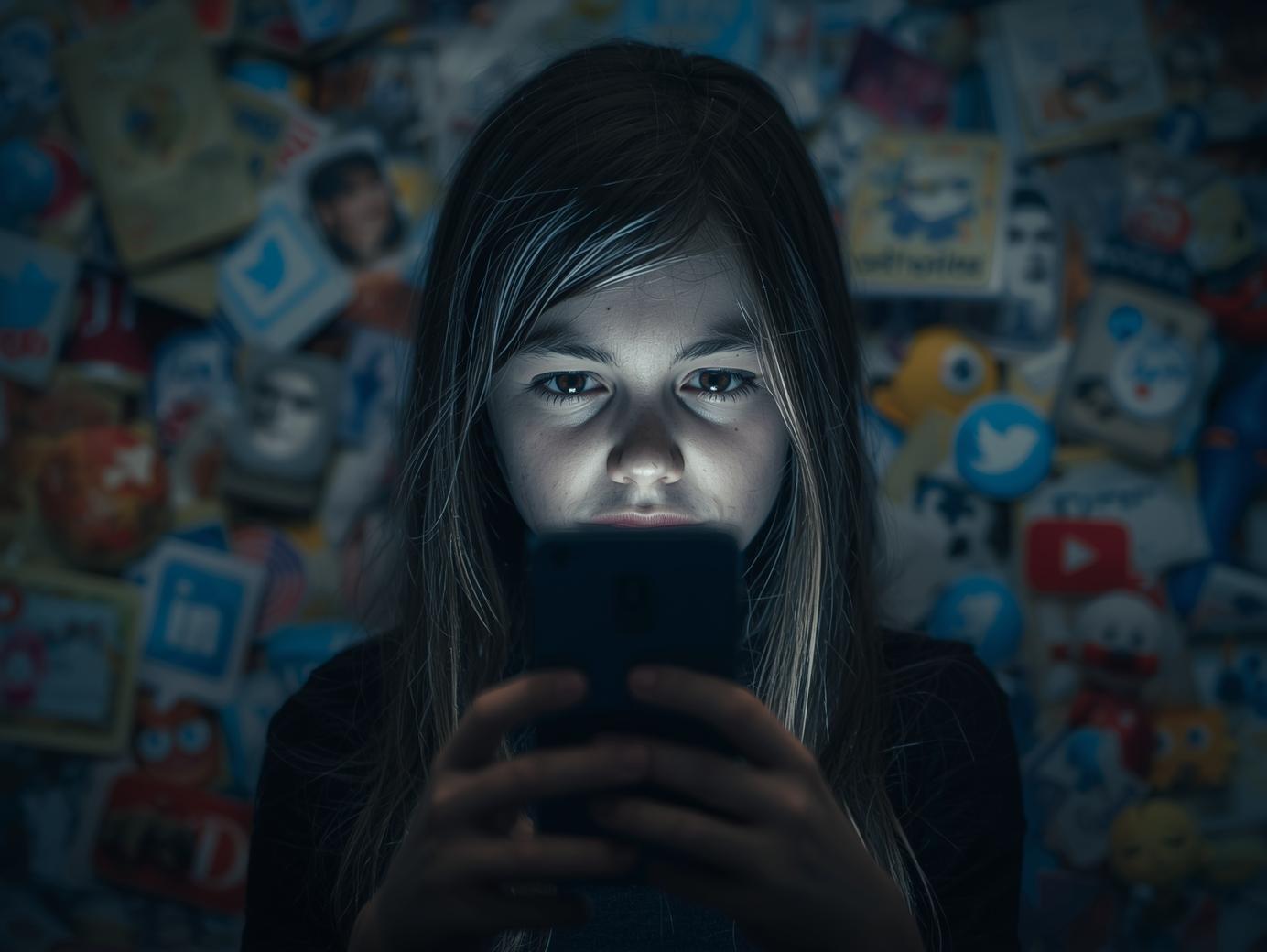
To avoid making this chapter sound like a typical lecture, I want to emphasize that while social media offers many opportunities for connection, inspiration, and self-expression, it’s important to approach it with a critical mindset. The polished images and carefully curated lives we often see can create unrealistic standards and lead to unhealthy comparisons. It’s crucial to remember that what is showcased online may not reflect reality.
Protecting our mental health should always come first. By prioritizing our well-being, setting boundaries, and fostering a sense of self-worth that isn’t reliant on external validation, we can navigate the digital landscape more effectively. Balance is key; appreciate the positive aspects of social media while staying grounded in your uniqueness and self-acceptance. Ultimately, asserting your worth and taking care of your mental health will lead to a more fulfilling and authentic life.