

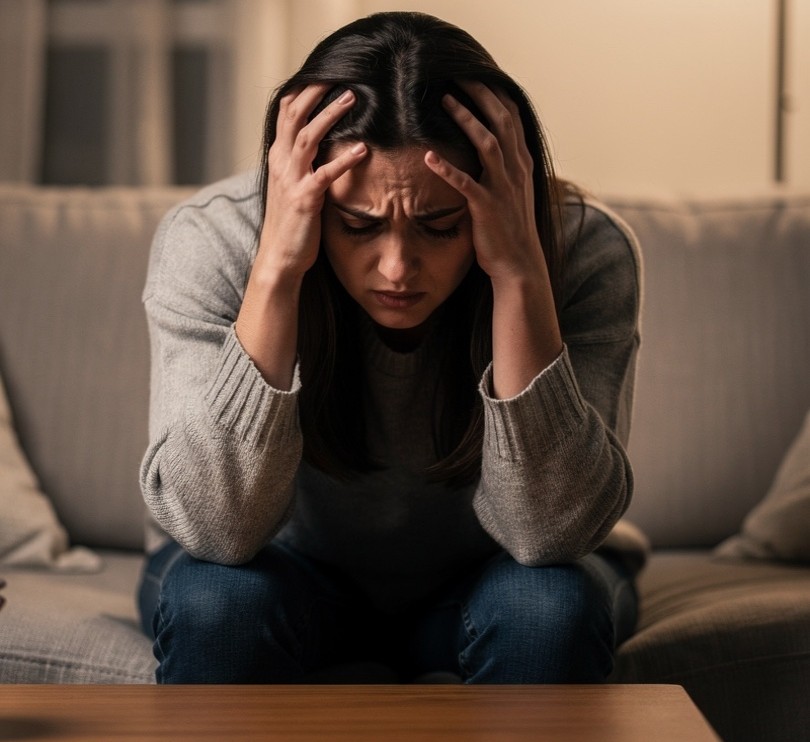
She wakes up early, manages the home, handles work deadlines, cares for family, and still feels guilty for not doing enough. This is the silent story of millions of women today—strong, capable, and utterly exhausted.
Emotional tiredness isn’t just about physical fatigue. It’s the weight of invisible responsibilities, unspoken expectations, and the constant pressure to be everything for everyone. Women today are not just tired—they’re emotionally drained from carrying the world on their shoulders.
Here’s why women are so emotionally tired today—and
what can be done to change it.
1. The Invisible Mental Load
Even in progressive households, women often carry the “mental load”—the invisible planning, remembering, and organizing that keeps life running.
Examples:
- Remembering birthdays, appointments, and grocery lists.
- Managing children’s schedules and family needs.
- Anticipating problems before they happen.
Why It’s Draining:
This constant mental juggling leaves little room for rest or self-reflection. It’s not just multitasking—it’s emotional labor that never ends.
2. The Pressure to Be Perfect
Modern women are expected to excel at everything—career, motherhood, relationships, and appearance.
Why It Happens:
- Social media glorifies perfection.
- Society still measures women by how well they “manage it all.”
- Fear of judgment or failure keeps women pushing beyond limits.
Result:
Perfectionism leads to chronic stress, self-doubt, and emotional burnout.
3. Emotional Labor in Relationships
In many relationships, women are the emotional anchors—listening, comforting, and managing conflicts.
Why It’s Exhausting:
- Constantly being the “strong one.”
- Suppressing personal emotions to maintain peace.
- Carrying the emotional weight of others without reciprocity.
Impact:
Over time, this imbalance leads to resentment, loneliness, and emotional fatigue.
4. Work-Life Imbalance
Even as women achieve professional success, they often face the “double shift”—working full-time jobs and managing homes afterward.
Why It Happens:
- Unequal division of household responsibilities.
- Lack of workplace flexibility.
- Guilt for prioritizing career over family—or vice versa.
Result:
No real downtime, leading to chronic exhaustion and burnout.
5. Lack of Emotional Support
Many women feel unheard or invalidated when they express stress or sadness.
Why It Happens:
- Cultural conditioning to “stay strong.”
- Fear of being labeled “too emotional.”
- Lack of safe spaces for vulnerability.
Impact:
Bottled-up emotions turn into fatigue, anxiety, and even depression.
6. The Burden of Comparison
Social media has turned comparison into a daily habit.
Why It’s Draining:
- Constant exposure to curated perfection.
- Feeling inadequate despite genuine effort.
- Pressure to “keep up” with unrealistic standards.
Result:
Comparison steals joy and fuels emotional exhaustion.
7. Hormonal and Biological Factors
Women’s emotional energy is also influenced by hormonal changes throughout life—menstrual cycles, pregnancy, postpartum, and menopause.
Why It Matters:
- Hormonal fluctuations affect mood and energy.
- Lack of awareness leads to guilt or confusion about emotional lows.
Solution:
Understanding the body’s natural rhythms helps women practice self-compassion instead of self-criticism.
8. The Guilt Trap
Many women feel guilty for resting, saying no, or prioritizing themselves.
Why It Happens:
- Cultural conditioning equates self-care with selfishness.
- Fear of disappointing others.
- Internalized belief that love must always mean sacrifice.
Impact:
Guilt keeps women in a cycle of over giving and emotional depletion.
9. The Pandemic Effect
The COVID-19 pandemic intensified emotional fatigue for women worldwide.
Why It Happened:
- Increased caregiving responsibilities.
- Job losses and financial stress.
- Lack of personal space or time.
Result:
Even post-pandemic, many women continue to feel emotionally drained from years of constant adaptation.
10. Lack of Self-Care and Boundaries
Women often put themselves last on the list. Without boundaries, emotional energy drains faster than it can be replenished.
Why It Happens:
- Difficulty saying no.
- Prioritizing others’ needs over their own.
- Neglecting rest, hobbies, and solitude.
Solution:
Self-care isn’t indulgence—it’s survival. Setting boundaries is an act of self-respect, not selfishness.
How Women Can Reclaim Emotional Energy
- Set boundaries: Learn to say no without guilt.
- Ask for help: Share responsibilities at home and work.
- Prioritize rest: Schedule downtime like any other task.
- Disconnect: Take breaks from social media and digital noise.
- Seek support: Therapy, women’s circles, or trusted friends.
- Celebrate small wins: Progress matters more than perfection.
Women today are emotionally tired not because they’re weak—but because they’ve been strong for too long, often without support or recognition.
It’s time to rewrite the narrative. Rest is not laziness. Boundaries are not rebellion. And self-care is not selfish—it’s essential.
When women reclaim their emotional energy, they don’t just heal themselves—they inspire a generation to live with balance, authenticity, and peace.
