








Breast cancer remains one of the most commonly diagnosed cancers among women worldwide, and India has also seen a noticeable rise in cases over the past few years. Despite growing awareness about women’s health, many women still consult a doctor only when they notice a lump, pain, or other unusual changes in the breast. By that time, the disease may already have progressed. This is why regular screening, particularly through mammography after the age of 40, plays such an important role in detecting breast cancer early and improving treatment outcomes.
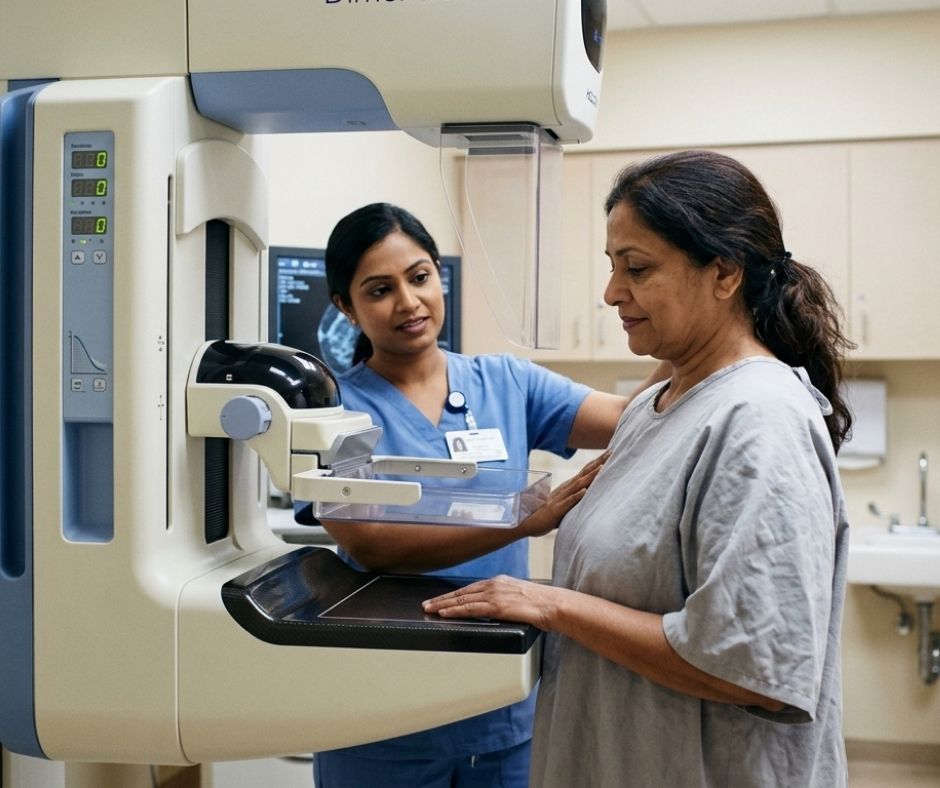
Mammography is a specialized imaging test that uses low-dose X-rays to examine breast tissue. The biggest advantage of this test is that it can detect extremely small changes in the breast that may not be felt during a physical examination. In many situations, mammography can reveal suspicious abnormalities long before they develop into a noticeable lump.
Dr. Bimalpreet Mohan Director & Chief Radiologist, Capital Health and Diagnostic Clinic explains that one of the biggest challenges in breast cancer detection is the common belief that tests are only required when symptoms appear. “Many women assume that if they do not feel a lump, everything must be normal. But screening is meant to find problems before symptoms develop,” she says. Mammography allows us to detect very early changes in breast tissue, which significantly increases the chances of successful treatment.”
Why screening after 40 is important
• Risk increases with age
As women age, several factors such as hormonal changes, lifestyle patterns, and genetic predisposition can increase the likelihood of developing breast cancer. Although younger women can also be affected, the risk tends to rise after the age of 40, making routine screening particularly important during this stage of life.
• Early detection improves survival
One of the most important benefits of mammography is early diagnosis. When breast cancer is detected in its initial stages, treatment is usually less complicated and the chances of recovery are much higher. Early detection can also reduce the need for aggressive therapies.
• Detection of very small abnormalities
Mammography can identify tiny calcium deposits called microcalcifications as well as very small masses that may not be felt during a clinical examination. These subtle findings often serve as early warning signs and allow doctors to investigate further before the disease advances.
• Helps guide further evaluation
If a mammogram shows an unusual area, additional tests such as breast ultrasound or diagnostic mammography may be advised. These imaging techniques help doctors understand the nature of the abnormality and determine whether further tests like a biopsy are required.
Another common concern among women is the fear of discomfort during the test or exposure to radiation. In reality, mammography is a quick procedure that typically takes only a few minutes. While the breast is gently compressed for a short time to obtain clearer images, the discomfort is temporary and generally well tolerated.
According to Dr. Mohan, the radiation exposure involved in mammography is minimal and carefully monitored. “Modern mammography machines use very low doses of radiation and follow strict safety guidelines. The benefit of detecting breast cancer early is far greater than the small risk associated with the test,” she explains.
When should women consider mammography?
• Women above the age of 40 should consider routine mammography screening even if they do not have any symptoms.
• Women with a family history of breast cancer may need to begin screening earlier or undergo more frequent imaging based on medical advice.
• Anyone who notices warning signs such as a breast lump, nipple discharge, persistent pain, or changes in the skin of the breast should consult a doctor without delay.
While mammography is a powerful tool for early detection, awareness and attentiveness to one’s own health are equally important. Women should remain mindful of any changes in their breasts and seek medical guidance if something unusual is noticed. Combining self-awareness, regular clinical check-ups, and timely imaging tests forms a strong approach to breast cancer detection.
From her experience in radiology, Dr. Mohan says routine screening has helped detect many cases at an early and treatable stage. “There have been numerous instances where a simple screening mammogram identified cancer before any symptoms appeared. Early detection truly changes the course of treatment,” she says.
Conclusion
Breast cancer does not always show obvious warning signs in its early stages. Waiting for symptoms can delay diagnosis. As Dr. Bimalpreet Mohan emphasizes, “A timely screening test can make all the difference. Regular mammography after 40 is one of the most effective steps women can take to detect breast cancer early and protect their long-term health.”