

In today’s digital world, screens are part of everyday life—from smartphones to TVs and tablets. For parents of toddlers, managing screen time has become one of the biggest modern parenting challenges.
While technology can be educational, excessive screen exposure can affect a child’s attention span, sleep, and social development. The goal isn’t to eliminate screens completely—it’s to create healthy boundaries that allow toddlers to learn, play, and grow in balance.
Here’s how to manage screen time for toddlers effectively and build healthy digital habits from the start.
1. Understand the Recommended Screen Time
According to pediatric experts, toddlers aged 18 to 24 months should have very limited screen exposure, and only high-quality, educational content—with parental supervision. For children aged 2 to 5 years, screen time should be limited to one hour per day.
Why It Matters:
- Excessive screen time can delay language and social skills.
- Toddlers learn best through real-world interaction.
- Quality matters more than quantity—choose educational, age-appropriate content.
2. Choose Quality Over Quantity
Not all screen time is harmful. The key is what toddlers watch and how they engage with it.
Tips:
- Pick interactive, educational programs (like alphabet or music-based shows).
- Avoid fast-paced or violent content.
- Watch together to help toddlers understand what they see.
Pro Tip:
Co-viewing turns screen time into bonding time and helps toddlers learn context and language.
3. Create a Screen Schedule
Consistency helps toddlers understand boundaries.
How to Do It:
- Set fixed times for screen use (e.g., 30 minutes after lunch).
- Avoid screens during meals or before bedtime.
- Use timers or visual cues to signal when screen time ends.
Why It Works:
Predictable routines reduce tantrums and teach self-regulation.
4. Encourage Real-World Play
Toddlers learn best through touch, movement, and imagination.
Ideas for Screen-Free Activities:
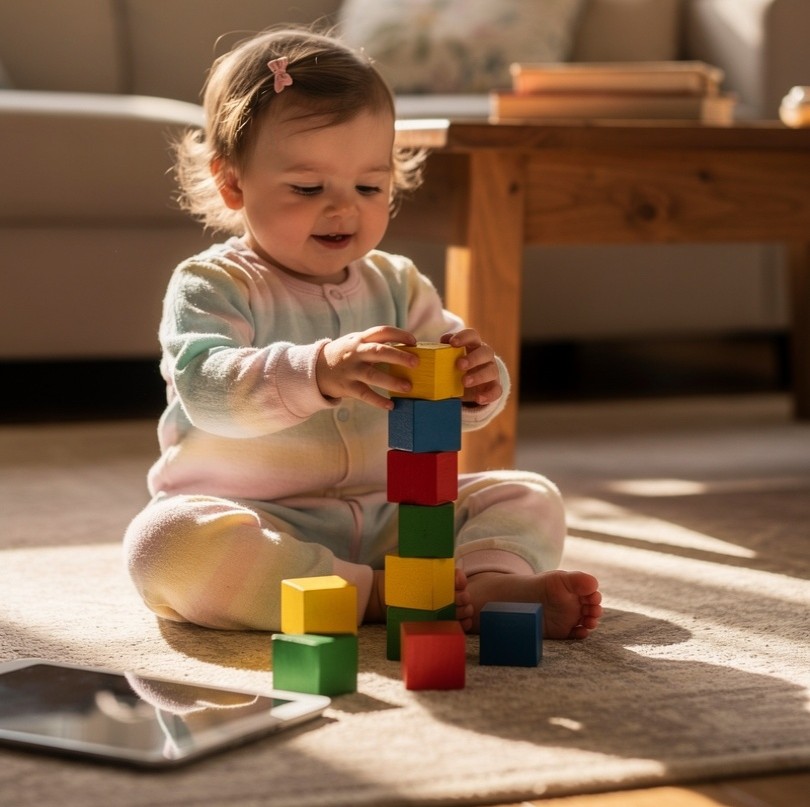
- Building blocks, puzzles, or drawing.
- Outdoor play—running, jumping, exploring nature.
- Reading picture books together.
Why It Works:
Physical play develops motor skills, creativity, and emotional intelligence—skills screens can’t replace.
5. Be a Role Model
Children imitate what they see. If parents are glued to their phones, toddlers will follow.
Tips:
- Keep devices away during family time.
- Avoid scrolling while playing or eating with your child.
- Show that real-world interaction is more rewarding than screens.
Why It Works:
Modeling healthy habits teaches toddlers balance naturally.
6. Make Screen Time Interactive
Passive watching can lead to boredom and overstimulation. Turn screen time into a learning experience.
How to Engage:
- Ask questions about what’s on screen.
- Sing along or repeat words together.
- Pause to explain new concepts.
Why It Works:
Interactive engagement boosts comprehension and language development.
7. Avoid Using Screens as a Babysitter
It’s tempting to hand over a tablet to calm a fussy toddler, but frequent use can create dependency.
Why It’s Harmful:
- Reduces emotional regulation skills.
- Encourages instant gratification.
- Limits creativity and problem-solving.
Alternative Soothers:
- Music, storytelling, or sensory toys.
- Short walks or cuddle time.
8. Create Screen-Free Zones
Designate areas in the home where screens are not allowed.
Examples:
- Dining table.
- Bedroom.
- Play area.
Why It Works:
Screen-free zones encourage family interaction and better sleep hygiene.
9. Watch for Warning Signs of Overuse
Too much screen time can show up in subtle ways.
Signs to Watch:
- Irritability when screens are removed.
- Sleep disturbances.
- Lack of interest in toys or outdoor play.
What to Do:
Gradually reduce screen time and replace it with engaging, hands-on activities.
10. Use Technology as a Tool, Not a Crutch
Screens can support learning when used wisely.
Healthy Uses:
- Video calls with family members.
- Educational apps that promote creativity.
- Music or story-based programs.
Why It Works:
Balanced use helps toddlers benefit from technology without losing touch with real-world experiences.
Managing screen time for toddlers isn’t about strict rules—it’s about mindful choices. By setting boundaries, choosing quality content, and modeling healthy habits, parents can help toddlers grow up tech-smart and emotionally balanced.
The goal is simple: let screens support learning, not replace living.
